


Eyetracking. How do you measure babies’ attention?
Eyetracking. How do you measure babies' attention? Understanding the neurocognitive development of babies is based on identifying what they look at, what they interact with, and how they perceive their environment. One of the basic capacities that it uses is visual attention. This is defined as the process, voluntary or involuntary, in which the human brain takes in a large amount of visual data, but pays attention to only a [...]
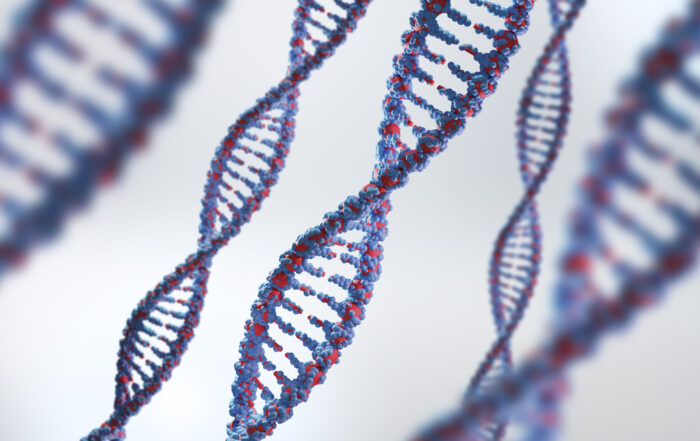
We already have the genetic data of the BiSC mothers!
We already have the genetic data of the BiSC mothers! We already have the genetic data of the BiSC mothers. For each mother we genotyped approximately half a million genetic variants. These data, together with those of the baby that we will obtain in the coming months, will help us to investigate the genetic contribution of mothers and babies in the functioning of the placenta. Specifically, we will study: 1) [...]

How does a cohort work?
How does a cohort work? As you know, the BiSC project is an epidemiological cohort study. This means that the team follows up volunteers, during which we measure different variables, including exposure to various risk factors and their health outcomes. In the case of BiSC, the cohort of volunteers is made up of you, the families. The risk factors we measure are numerous, but we focus primarily on urban [...]
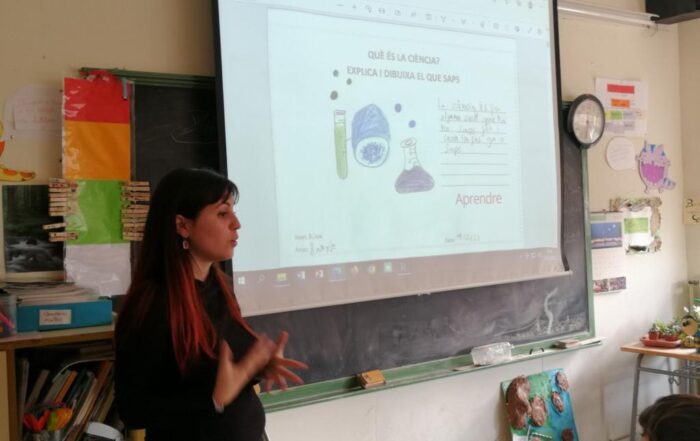
Talking about BiSC and women scientists
Talking about BiSC and women scientists On February 11, the International Day of Women and Girls in Science was celebrated. As part of our work as researchers, as we have already mentioned in previous news, we also usually carry out dissemination tasks to bring science closer to the public. In this case, our colleague Neus Rosell participated in a project led by the Barcelona Biomedical Research Park (PRBB) [...]
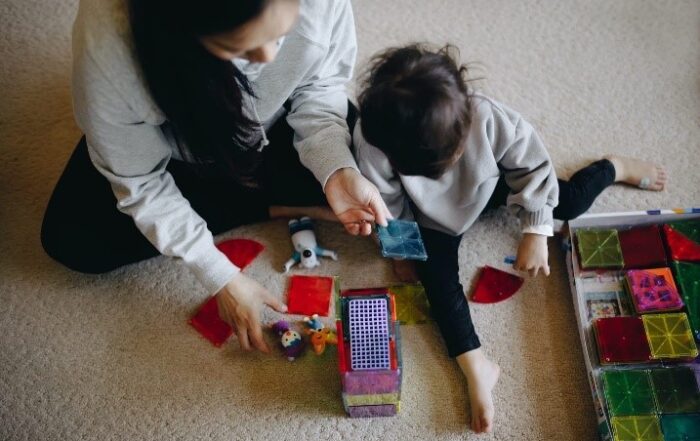
Preparing the 4-years-visit
Preparing the 4-years-visit As we already informed you in a previous piece of news, the BiSC Project received funding from La Marató de TV3 to be able to identify genetic, psychosocial and environmental risk factors in the appearance and evolution of neurobehavioral and emotional problems in the first four years of life. We will do all this through a new follow-up in the 4 years that is about [...]

Sensors: In day-to-day life and in research
Sensors: In day-to-day life and in research Sensors are everywhere today. A normal smartphone contains more than 10 different sensors. These not only help us go about our day-to-day life but are also becoming more and more useful for doing important research. The most famous sensor in a smartphone is the GPS sensor. GPS is short for Global Positioning System. This system consists of 31 satellites orbiting the [...]

Fetal growth and chemicals
Fetal growth and chemicals How is BiSC helping to study fetal growth and chemicals with neurosonography and cardiac sonography scans? Last October, a new predoctoral student joined the BiSC Project under one of the European Union’s Horizon 2020 Research and Innovation programme. Using the detailed and unique sonography measurements taken from BiSC participants, the predoctoral student will study the effects of the chemical exposome on the developing fetus. [...]

Pollution and brain health
Pollution and brain health In today's post we want to delve into the effects of pollution on our health from the point of view of other members of the scientific community. Currently, the World Health Organization (WHO) considers pollution the greatest environmental risk factor for human health, being in 2012 responsible for 23% of mortality globally. Over the years it has been possible to establish a strong relationship [...]