How heat exposure can influence fetal development during pregnancy?


How heat exposure can influence fetal development during pregnancy?


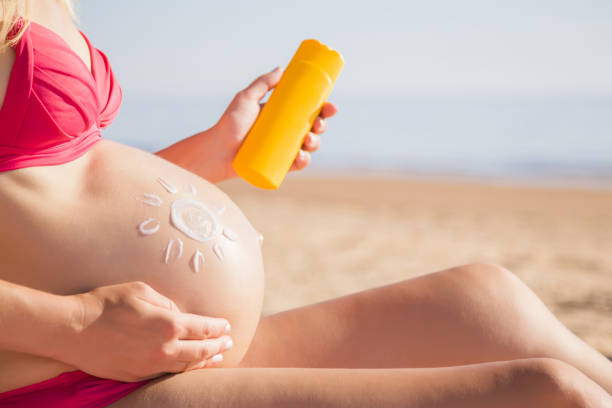
Summer is coming! And high temperatures and heat waves followed. The frequency and intensity of heatwaves are increasing rapidly and may be set to escalate in the coming decades. Are you aware of the fetal health risks of heat exposure during pregnancy?

Pregnancy induces several physiological and anatomical changes in women such as changes in surface area-to-mass ratio, weight gain, high basal metabolic rate, higher fat deposits that retain heat, and reduced systemic vascular resistance, which can pose particular challenges to maternal thermoregulation. Previous studies showed that maternal exposure to heat was associated with an increased risk of preterm birth, low birth weight, and stillbirths. [ref] There are a couple of potential mechanisms that may contribute to fetal restricted growth. [ref]

Firstly, when pregnant women are in the context of high ambient temperature, peripheral vasodilation increases blood flow to the skin as […]

2024-06-05T10:41:56+00:0027/05/2024|Science|

Intestinal microbiota and childhood neurodevelopment


Intestinal microbiota and childhood neurodevelopment


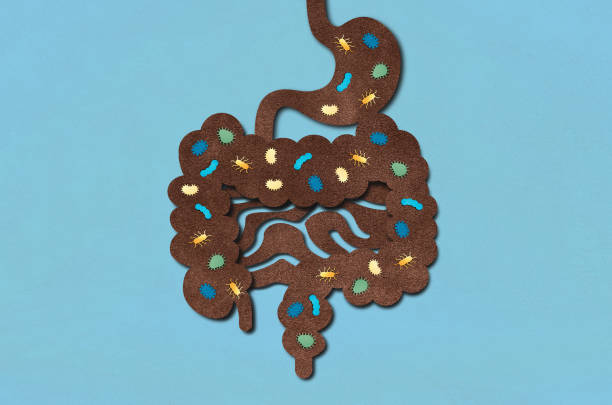
The intestinal microbiota is the ecosystem of microorganisms that inhabit our intestine, and in recent years it has emerged as a key player in the world of children’s neurodevelopment. This complex system of bacteria, viruses, and fungi not only performs digestive functions, but also appears to have a certain impact on the brain health of boys and girls.

Communication between the intestinal microbiota and the brain is mediated by a complex network of signals known as the gut-brain axis. This communication system appears to not only affect gastrointestinal function, but also behavior, mood, and cognitive development. Recent research suggests that certain imbalances in the gut microbiota may be related to different cognitive trajectories and behaviors.

The diversity and composition of the gut microbiota (i.e., how many species, which species, and how different they are from each other) appear to play a crucial role in regulating childhood neurodevelopment. A […]

2024-05-27T09:32:41+00:0022/05/2024|Science|

What is the impact of studies like BiSC?


What impact have studies like BiSC?


In today’s news we want to focus a little on the impact that studies like the BiSC project have on our society. An example of this effect can be seen in the following recently published post from the European Parliament: https://www.europarl.europa.eu/news/es/press-room/20240419IPR20587/el-parlamento-fija-nuevos-requisitos-para-mejorar- la-calidad-del-aire

This publication tells us that a vote has been taken in favor of the adoption of stricter measures for member countries to reduce the levels of environmental pollution in cities by 2030 in order to improve our way to the zero pollution plan in European cities by 2050. Furthermore, it seeks to grant more protection to citizens with health problems related to environmental pollution.

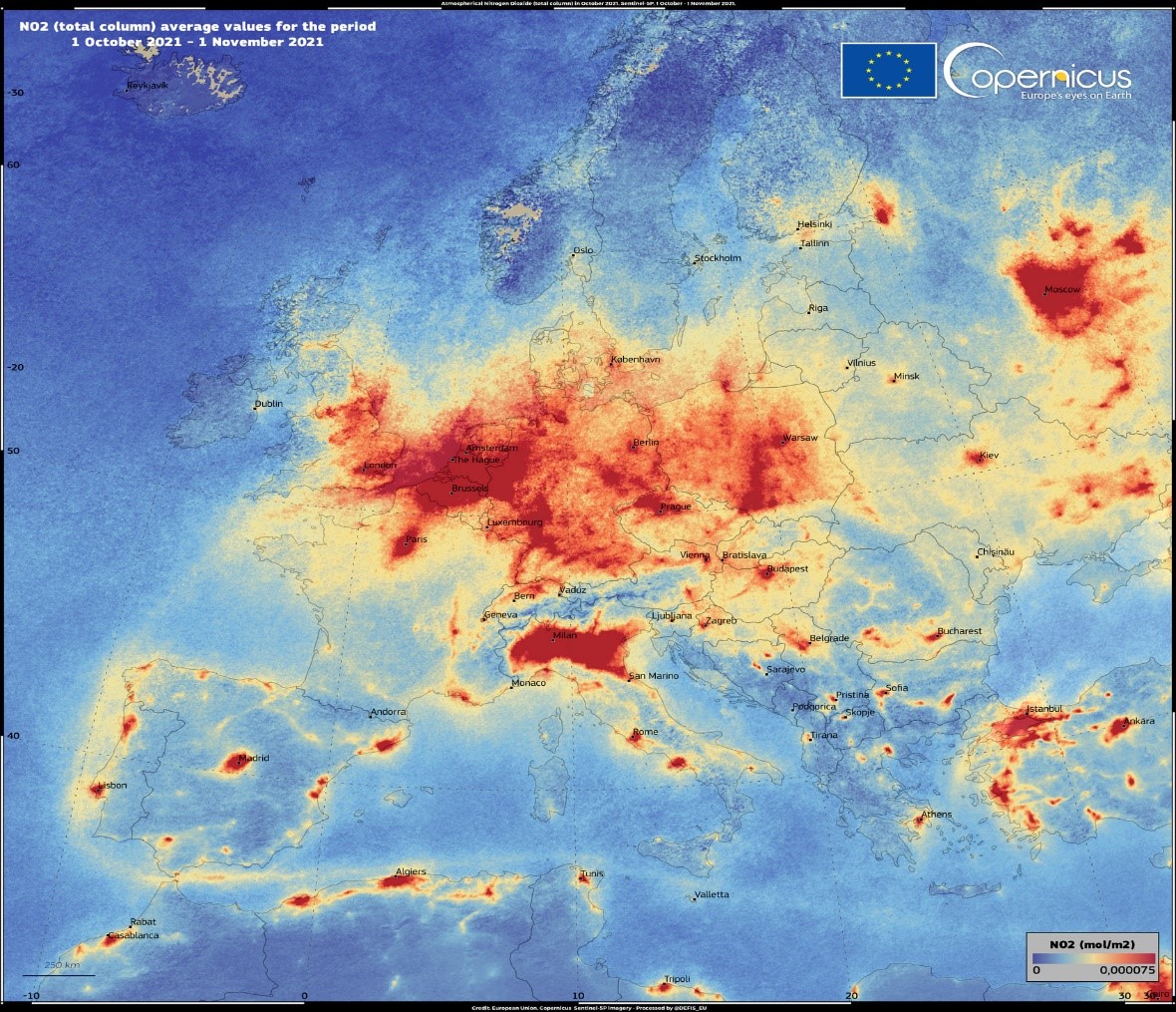
This is good news in view of the current situation in Europe, in which, as can be seen in this map of 2021, clear nodes of pollution can be spotted throughout Europe. In this case, nitrogen dioxide, which is one […]

2024-05-06T08:56:47+00:0029/04/2024|Science|

FRONTIER and AIR-NB summary

FRONTIER and AIR-NB summary

This article aims to provide a summary of the main projects we have at BiSC: FRONTIER and AIR-NB.

In mid-December of last year, the final reports of the FRONTIER study were delivered, which are currently under review. Let’s remember that its main objective is to provide a solid and comprehensive evaluation of the impact of maternal exposure to traffic-related air pollution on fetal growth.

At the same time, starting from the same December of last year, work began on the analysis of the AIR-NB project. The general objective of AIR-NB is to assess the effect of prenatal exposure to urban air pollution on pre- and postnatal brain development.

To carry out a comprehensive evaluation of brain development, a series of tests were conducted at different periods, both prenatal and postnatal. These can be divided into four main categories: neurosonography, magnetic resonance imaging (MRI), Bayley scales, and eye-tracking.

  • The neurosonography part […]
2024-04-22T11:18:42+00:0015/04/2024|Science|

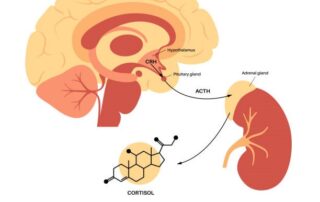
An update on the progress of the collaborative project on prenatal exposure to phenols and dysregulation of the hypothalamic–pituitary–adrenal axis in two European cohorts: BiSC (Barcelona, Spain) and SEPAGES (Grenoble, France)

An update on the progress of the collaborative project on prenatal exposure to phenols and dysregulation of the hypothalamic–pituitary–adrenal axis in two European cohorts: BiSC (Barcelona, Spain) and SEPAGES (Grenoble, France)

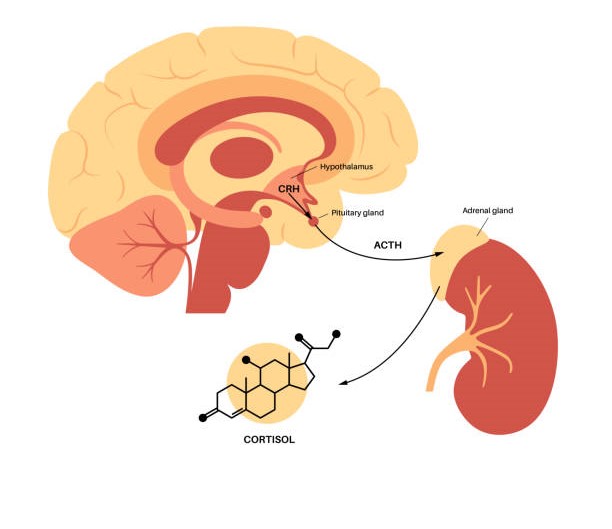
Synthetic phenols, recognized as endocrine-disrupting chemicals, exhibit widespread exposure within the general population. While toxicological evidence is accumulating on their potential to disrupt the hypothalamic–pituitary–adrenal (HPA) axis—a key regulator of the body’s adaptive response to stress—epidemiological studies with sufficient sample size and rigorous methodologies to assess such effects in humans are lacking. The HyPAXE project co-led by Dr. Claire Philippat (INSERM, Grenoble, France) and Prof. Jordi Sunyer (ISGlobal, Barcelona, Spain) and funded by the French Agence Nationale Sécurité Sanitaire Alimentaire Nationale (ANSES) was designed to fill this gap and shed light on the associations between exposure to synthetic phenols during pregnancy and the production of adrenal and reproductive hormones.

In this large study involving 1,137 participants from Grenoble (France) and (Barcelona) […]

2024-04-15T06:30:05+00:0007/04/2024|Science|

BiSC participants’ places and trips

BiSC participants’ places and trips

Do you remember that during the pregnancy we asked you two times to carry a phone with you for a week? These phones recorded GPS data that allow us to study transportation, movement patterns, and exposure to traffic, trees and other environmental factors during the pregnancy.

We have analysed this GPS data to understand how travel differs between the first trimester and the third trimester, and we found some interesting results. For example, the time spent at home each day (excluding the sleeping hours of the night) was on average around 3 hours higher in the third trimester than in the first trimester. In addition, the average distance away from home was about one kilometer smaller in the third trimester compared to the first trimester. These results indicate that daily life is more centered around the home in the third trimester. Importantly, these are the numbers we […]

2024-04-07T20:43:50+00:0011/03/2024|Science|

BiSC in “Diari de Tarragona”

Last Wednesday, Diari de Tarragona highlighted a study that is being carried out by members of the BiSC Nutrition Group. It analyzes the relationship between mothers’ nutrition and child neurodevelopment based on data from the mothers and children from the BiSC cohort. Click here to see the full news.

This research is conducted at the Pere Virgili Health Research Institute (IISPV) and is led by Jordi Júlvez, part of the BiSC project since May 2023. The IISPV has also posted an article about this study and it can be viewed here.

2024-01-22T09:52:36+00:0015/01/2024|Science|

Maternal Environmental Exposome and Offspring Development

Maternal Environmental Exposome and Offspring Development

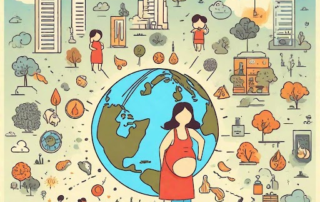
People are always simultaneously exposed to a multitude of different environmental factors including diet, meteorological factors, lifestyle factors, chemicals, infectious agents, and socioeconomic influence. These factors tend to cluster and interact with each other to produce complex effects on human health. The term “exposome” was coined, analogous to the genome, to describe the totality of human environmental exposures throughout their lifetimes, of which pregnancy is a key period for exposome assessment. [ref.]

In a groundbreaking shift in understanding prenatal health, more and more scientists are now focusing on the “maternal environmental exposome” and its crucial impact on offspring development during prenatal and early postnatal periods, since it is one of the most vulnerable and determining periods during lifespan to offspring. This concept sheds light on how a mother’s exposure to various environmental factors can significantly affect the health of her unborn and newborn child. Unlike […]

2023-12-28T14:27:53+00:0010/12/2023|Science|

Modeling Air Pollution Exposure in the BiSC cohort

Modeling Air Pollution Exposure in the BiSC cohort.

Air pollution, recognized as the greatest environmental risk to human health and one of the leading causes of mortality in the world, has been linked to a wide spectrum of health problems. With the advancement of urbanization, especially in metropolitan areas, the challenge of measuring and mitigating the effects of this pollution has become more critical than ever. This urban phenomenon represents a substantial obstacle for researchers in environmental epidemiology, who seek to accurately evaluate the impact of air pollution on population health.

In epidemiological studies dedicated to analyzing the effects of air pollution on population health, various modeling techniques have been adopted to determine exposure concentrations. These models are crucial to accurately estimate what levels of pollutants individuals are exposed to, especially in urban settings where air pollution varies both spatially and temporally.

The COVID-19 pandemic has exacerbated these challenges, significantly altering air pollution […]

2023-12-10T19:34:48+00:0002/12/2023|Science|

Exploring the Endocrine Disruption Potential of PFAS: Implications for Pregnancy and Fetal Development

EXPLORING THE ENDOCRINE DISRUPTION POTENTIAL OF PFAS: IMPLICATIONS FOR PREGNANCY AND FETAL DEVELOPMENT


Per- and polyfluoroalkyl substances (PFAS) have become the focus of recent scientific studies due to their ubiquity in consumer products and potential impact on the endocrine system. These synthetic chemicals, known for their water- and grease-resistant properties, are used pervasively throughout industry but are also found in everyday household products, clothes, furniture, food packaging, and cookware. They have been identified as endocrine disruptors, and can affect many biological processes in humans. Because of the strong chemical bonds, PFAS are highly resistant to degradation and can accumulate in the environment and living organisms. This accumulation may disrupt normal hormone functioning by binding to receptors or affecting hormone production. Research suggests these disruptions can impact the synthesis and function of hormones, raising concerns about potential long-term health implications, especially for vulnerable populations like pregnant women and developing babies.

Studies indicate a […]

2024-02-05T09:34:10+00:0026/11/2023|Science|
Go to Top