The environment and the immune system in BiSC

The environment and the immune system in BiSC

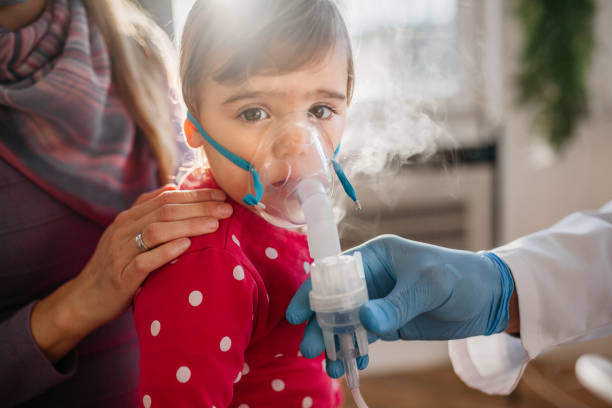
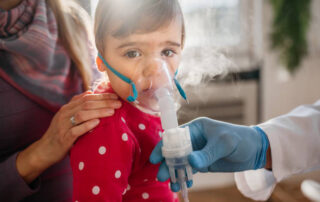
As already explained in other news, environmental pollution is one of the largest risk factors for disease and premature death in the world today. Extensive scientific evidence from human and animal studies in the last decades has shown the significant role of such pollution in the appearance of cancer and respiratory, reproductive, cardiometabolic or neurodegenerative diseases, among others. Moreover, nowadays environmental pollutants (e.g., air pollution, pesticides, persistent organic pollutants, heavy metals) are in the spotlight, since in a relatively short period, 40-50 years, there has been a worldwide rapid increase in the prevalence of allergic diseases and other immune-related disorders, such as type 1 diabetes, autoimmune disorders or even early-onset cancer, that cannot be explained by genetic mutations. For instance, it is known that exposure to persistent organic pollutants and air pollution can increase the risk of suffering infections of the respiratory tract […]

2023-11-26T20:19:41+00:0019/11/2023|Science|

Perinatal depression: It’s not just a postpartum issue

Perinatal depression: It’s not just a postpartum issue

Little by little, society breaks the taboo and today we talk more and more naturally about mental health disorders and illnesses. Mental illnesses have a multifactorial origin and are more common than we might think. According to the World Health Organization (WHO) almost 1 in 10 people have some kind of mental health problem and 1 in 4 will have one at some point in their life.

As for anxiety and depression, these are much more common in women (9.2%) than in men (4%) (National Health Survey of Spain, 2017).

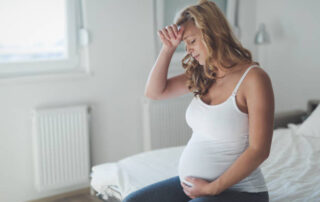
The mother’s mental health can affect the development of her offspring. One mental illness directly associated with pregnancy and motherhood is perinatal depression, more commonly (and, as we’ll explain below, erroneously) known as postpartum depression.

Several scientific studies indicated that this condition is not triggered only after childbirth (although some symptoms may be aggravated at this […]

2023-11-19T12:46:46+00:0013/11/2023|Science|

We already have the data on the chemical exposome of pregnancy

We already have the data on the chemical exposome of pregnancy

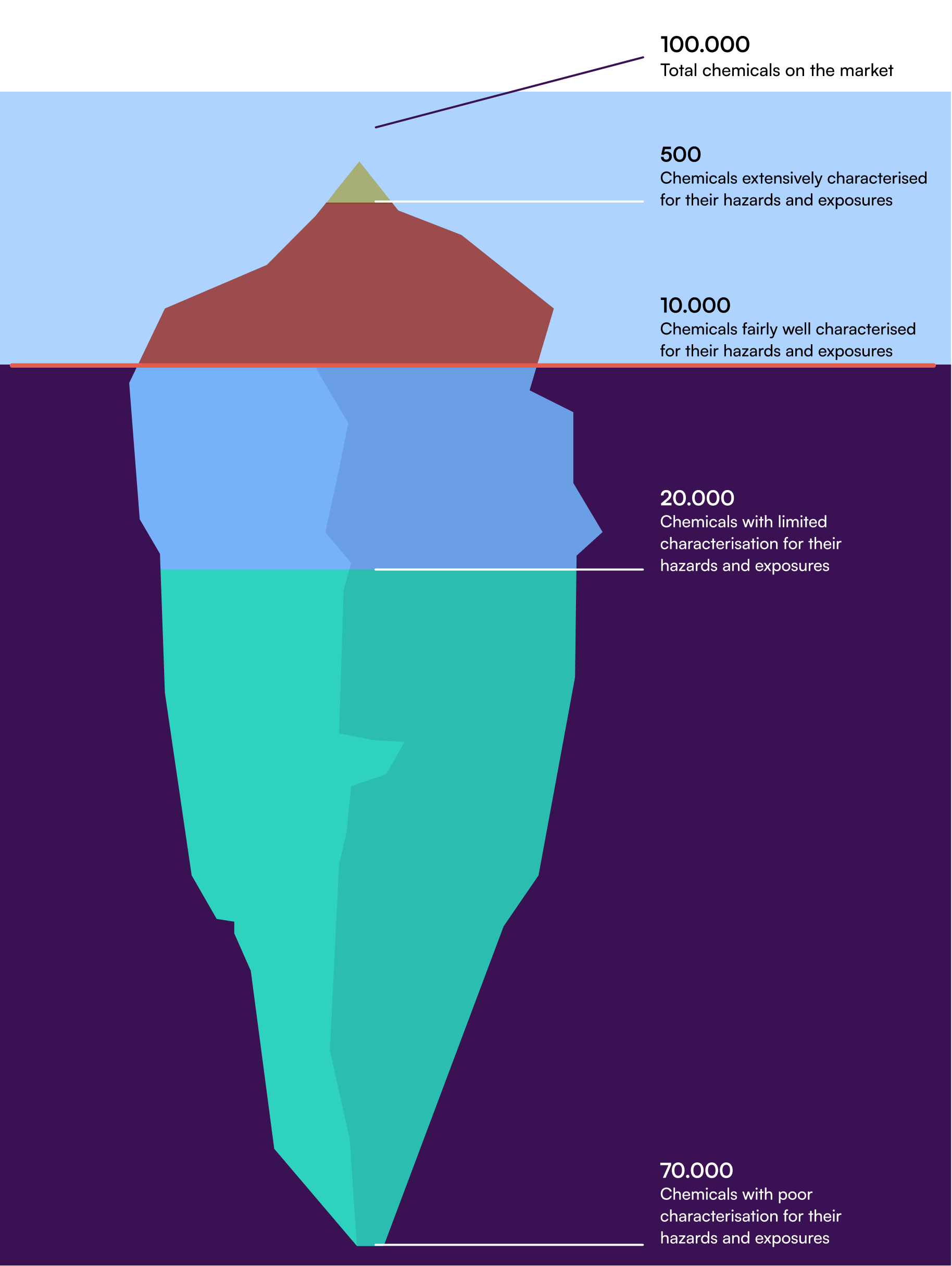
Environmental pollution remains one of the most pressing concerns worldwide. Pollutants generated by human activities contaminate air, soil, water and food. As a result, humans and other living things are chronically exposed to a wide range of chemical compounds that affect their health. These environmental hazards have been estimated to contribute to more than 25% of non-communicable diseases, but the true impact is not fully known. There are approximately 10,000 chemical compounds that are classified as hazardous to health, and only 450 of them are regulated by the European Chemicals Agency (ECHA). In addition, there are more than 90,000 other substances that have not received a toxicity assessment. There are several ways of entering the body: ingestion, dermal exposure or inhalation.

BiSC participates in the ATHLETE project (https://athleteproject.eu/ ), which aims to determine the levels of exposure to various chemical compounds, […]

2023-11-13T04:04:46+00:0005/11/2023|Science|

Use of screens and neurodevelopment

Use of screens and neurodevelopment

The growing presence of electronic devices in the daily lives of children is becoming more and more notable. This fact is highlighted in a study carried out by the Gasol Foundation, which recently revealed that children between the ages of 8 and 16 spend on average almost five hours a day in front of a screen [ref]. This raises the question of what the implications may be for the development of their cognitive and emotional abilities.

Numerous epidemiological investigations carried out in various parts of the world have shed light on the relationship between excessive time spent on screens and the detrimental effects that this can have on the physical and cognitive health and behavior of children. For example, a Canadian longitudinal cohort study (very similar to BiSC ), which included 2,441 mothers and their children, followed their participants from the prenatal period to age 5 […]

2023-11-05T18:53:15+00:0027/10/2023|Science|

BiSC at the PRBB Open Day

BiSC at the PRBB Open Day

Last Saturday, October 7, was the Open Day at the Barcelona Biomedical Research Park (PRBB) and the BiSC project had its stand at the John Snow room (the name refers to the father of epidemiology, not the protagonist of the Game of Thrones). It was a unique opportunity to publicize the project and it was very interesting to see how the visitors ranged from curious people to science professionals, such as biologists or statisticians. There even were groups of high school students.

The talk was focused on explaining, in a generic way, how a cohort works and what role a laboratory technician plays in all of this. As you well know, the BiSC cohort is made up of 1080 mothers and 1033 children. Apart from the different questionnaires on mental health and nutrition, various biological samples (from the mother, the father or the child) have been […]

2023-10-25T11:22:20+00:0015/10/2023|Science|

New Nutrition Working Group in BiSC!

New Nutrition Working Group in BiSC!

In the BiSC team we continue to add. This time we are happy to welcome three new members to the research team. They are Camille Lassale, Jordi Júlvez and Oren Contreras who will give us a hand to understand how nutrition data can have an impact on the mental health of their sons and daughters.

They will undertake this work thanks to the creation of the Nutrition Working Group. They have many ideas and desire to be able to contribute to what we have already been learning about the effects of the environment on children’s health. This new line of research at BiSC will be possible thanks to the data you provided us about your diet during pregnancy and later on your children. We will also use information about breastfeeding.

Some of the issues that will allow us to understand the creation of this new working group […]

2023-10-28T17:31:21+00:0001/10/2023|Science|

The effects of heat waves

The effects of heat waves

In today’s news we want to focus on a phenomenon that we have all been able to experience in the last few weeks of summer: heat waves. Everyone is aware of the dangers they pose to our health and the precautions that should be taken, but more recently we have begun to study the effects they can have in combination with other factors, such as air pollution.

A recent study (https://doi.org/10.1164/rccm.202204-0657OC) conducted at the University of Southern California by a group of researchers from 2014 to 2019 has observed that, during the days when there was a heat wave increased the risk of death by about 6% and on days when there were high levels of pollution it increased by 5%. However, these results were eclipsed when measurements were made on days when both a heat wave and high levels of pollution were combined, when the risk […]

2023-09-17T20:25:32+00:0011/09/2023|Science|

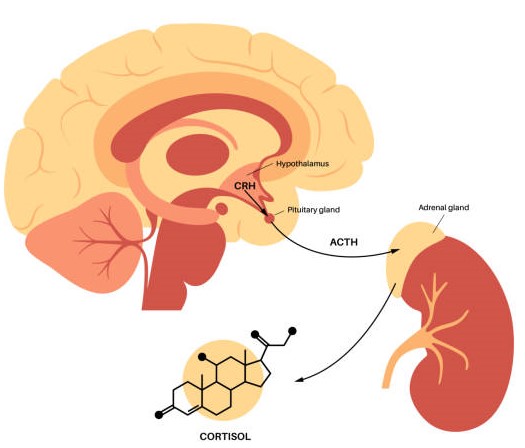
Prenatal exposure to phenols and dysregulation of the hypothalamic–pituitary–adrenal axis in the BiSC (Barcelona, Spain) and SEPAGES (Grenoble, France) cohorts

Prenatal exposure to phenols and dysregulation of the hypothalamic–pituitary–adrenal axis in the BiSC (Barcelona, Spain) and SEPAGES (Grenoble, France) cohorts

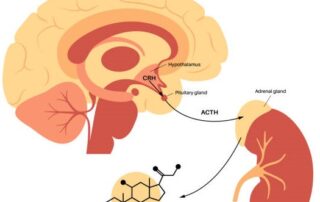
We have recently started the analysis of the data collected under the HyPAXE project co-led by Dr. Claire Philippat (INSERM, Grenoble, France) and Prof. Jordi Sunyer (ISGlobal, Barcelona, Spain) and funded by the French Agence Nationale de Sécurité Sanitaire Alimentaire Nationale (ANSES). One of the aims of this project is to explore the associations between pregnancy exposure to endocrine disruptors, such as synthetic phenols, and dysregulation of the functioning of the maternal hypothalamic–pituitary–adrenal (HPA) axis.

Synthetic phenols are used in the manufacture of a variety of household items and personal care products. Some are endocrine disruptors that may interact with human hormonal system and affect physical or mental health. For example, recent in vitro and human studies have suggested that bisphenol A (a phenol primarily used in the manufacturing of various […]

2023-09-11T21:41:24+00:0024/07/2023|Science|

We add the calculation of the inhaled dose to our analyses

We add the calculation of the inhaled dose to our analyses

One of the main aims of the BiSC project is to assess the impact of pollution, especially on babies. The study and measurement of pollution in different locations is of vital importance to understand the impact it has on fetal development and the health of children in education.

However, simply quantifying the concentration of pollutants in the air may not be sufficient to assess actual exposure and its potential effects. That is why it is also essential to consider other factors such as the mothers’ physical activity during pregnancy, age, weight or their location in order to be able to more accurately model the inhaled dose of the different pollutants present in every moment

The inclusion of physical activity is particularly relevant, as exercise and physical effort directly influence the amount of air inhaled. People who perform more intense physical activities inhale […]

2023-07-24T14:21:38+00:0019/07/2023|Science|

The movement patterns of BiSC participants before and during the COVID-19 pandemic

The movement patterns of BiSC participants before and during the COVID-19 pandemic

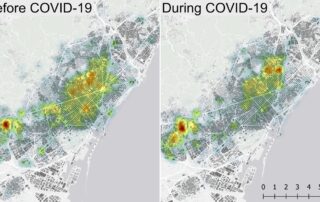
Do you remember that during the pregnancy we asked you to carry a phone with you for a week? These phones recorded GPS data that allow us to study transportation, movement patterns, and exposure to traffic, trees and other environmental factors during the pregnancy.

From all the GPS points we have analysed, we have extracted 78 000 movement patterns. These are shown in the picture presented, in which you can see two maps of Barcelona. The one to the left represents the movements that happened before the COVID-19 pandemic, while the one to the right represents the movement patterns during the COVID-19 pandemic. Please note that all participants’ homes are excluded from the places used to create these maps.

Before COVID-19, the movement patterns are spread out over many areas of the city. You can see some areas where movement patterns […]

2023-07-10T11:11:21+00:0003/07/2023|Science|
Go to Top