BREATHE, MOM


BREATHE, MOM


Alpha-1 antitrypsin deficiency (AATD) is a genetic condition where the body doesn’t make enough of a protein called alpha-1 antitrypsin, which normally protects the lungs and liver. This deficiency can lead to an increased risk of lung diseases like emphysema, which is characterized by damaged air sacs, impairing breathing, but also chronic bronchitis, as well as liver problems. For these reasons, when someone has AATD, their lungs are more vulnerable to damage from cigarette smoke, air pollution, and other environmental factors. Nowadays, there is no cure for AATD and treatments focus on managing symptoms and reducing complications. These may include medications to improve lung function (augmentative therapy), pulmonary rehabilitation programs, and lifestyle modifications to minimize exposure to harmful substances. But, what if we could prevent these people from developing emphysema and chronic bronchitis by having a cleaner air? How bad are the pollutants of the city for all of […]
2024-05-22T08:17:45+00:0013/05/2024|Participants|

We already have the winners of the 5 year-old postcard contest!


We already have the winners of the 5 year-old postcard contest!


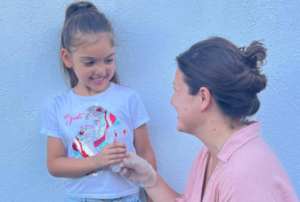
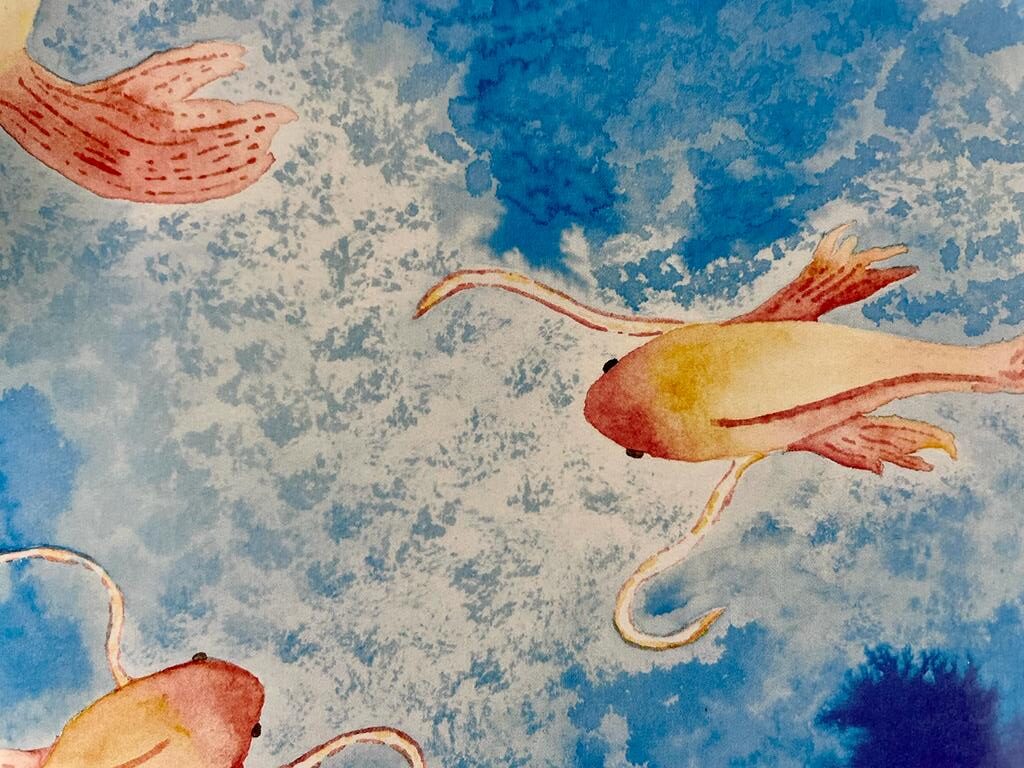
During the month of March, we proposed a children’s competition in order to find the drawing that will illustrate the 5-year-old congratulatory postcard. As you know, for every birthday you get a greeting in the form of a postcard. However, this time we ran out of ideas, so we went in search of little artists… and what a beautiful surprise we had! Because we received more of 60 drawings full of colors and shapes.

The competition was divided into 3 different categories according to the age of our child volunteers from the Bisc project.

These are the categories:

  • 1st CATEGORY: children 2 to 3 years old
  • 2nd CATEGORY: children 3 to 4 years old
  • 3rd CATEGORY: children aged 4 to 5 years


Among the postnatal team mates we were very carefully debating the final decision, which was not very easy as we liked […]

2024-04-29T09:07:08+00:0025/04/2024|Participants|

BiSC AT THE CINEMA!

BiSC AT THE CINEMA!

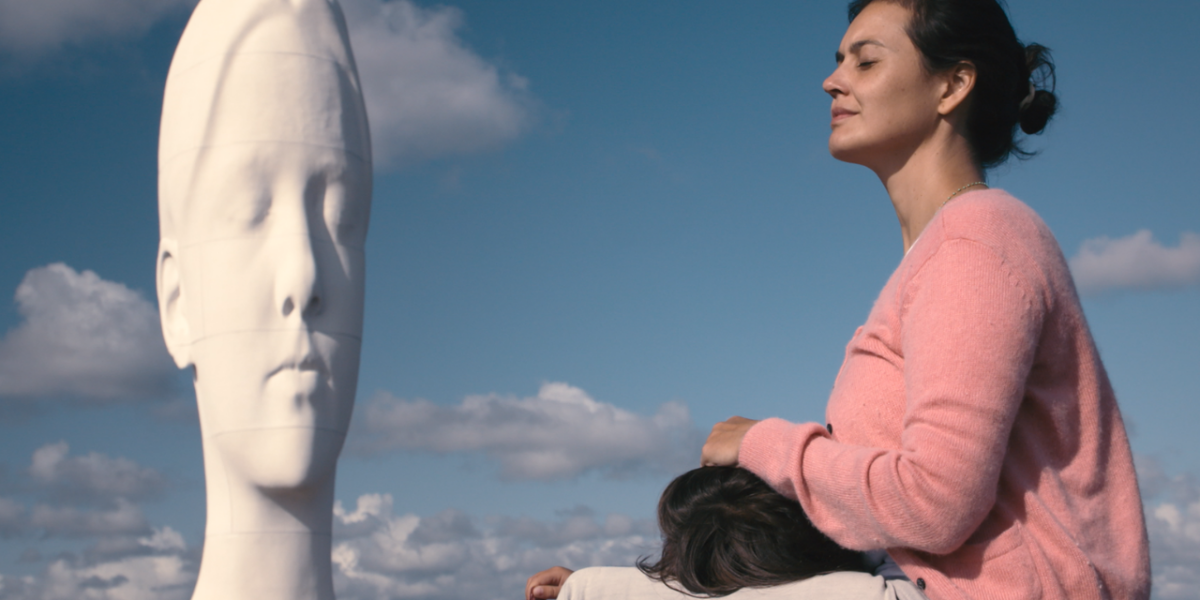
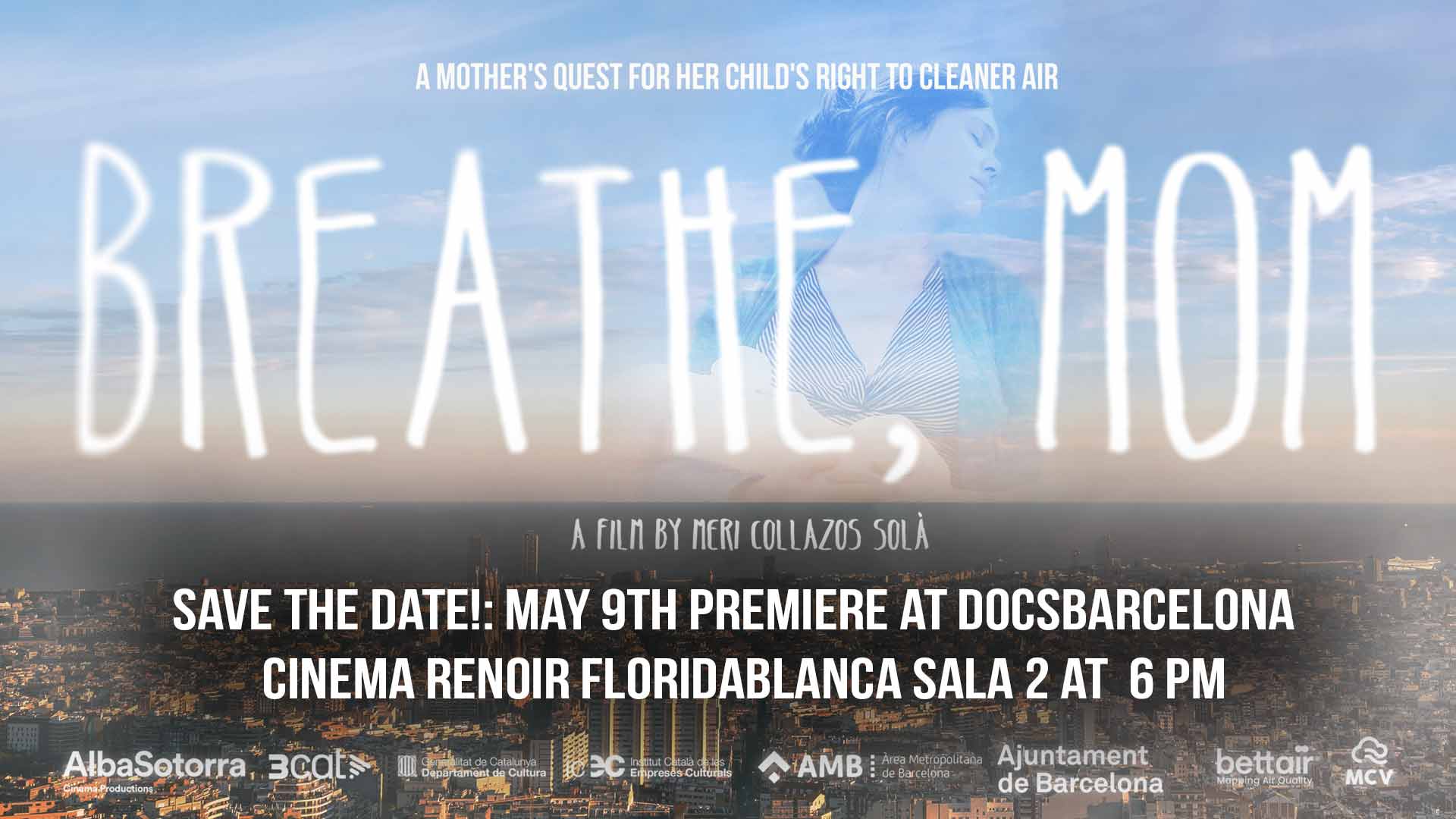
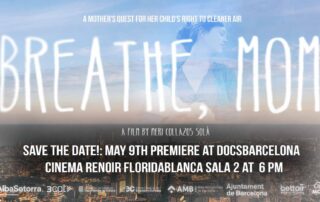
On May 9th at 6:00pm, the documentary “Breathe, mom” will premiere at the Renoir Floridablanca cinema, revealing the harmful effects of pollution during pregnancy and the consequences for the baby’s development. As part of the documentary, the experience of one of the mothers from the BiSC project is featured. She was interviewed and followed while collecting environmental pollution data with the registration backpack provided to project participants. We are very excited to bring a part of our project to the big screen!

Feel free to attend and share your opinion by writing to us on Instagram (@projectebisc) or sending us an email at bisc_project@isglobal.org!

This post has been written by Clara Tapia, project manager at the BiSC Project.

2024-04-25T08:30:15+00:0022/04/2024|Participants|

1st BiSC POSTCARD CONTEST

🥳1st BiSC PROJECT POSTCARD CONTEST🥳

As you already know, we like to congratulate the little ones on their birthdays by sending a postcard home. Now we are about to start with the first anniversaries of the 5 YEARS🎂, but we have run out of ideas… 🫣🫣🫣Can you help us???

We invite all the kids that have been part of BiSC to send us a drawing (made by them🎨) as a suggestion for the the new 5-year-old postcard !!!

Although we would love to be able to make a postcard with every […]

2024-03-11T06:50:47+00:0004/03/2024|Participants, Sin categoría|

Environmental reports on the way!

Environmental reports on the way!

Dear participants, we have started to send you the environmental reports. Let us explain a bit more about what they entail:

What data can you find?

  • Personal exposure to prenatal nitrogen dioxide (NO2) from environmental visits during the 1st and 3rd trimesters of pregnancy.
  • Personal exposure to postnatal NO2 from environmental visits at 6 and 18 months of age of your child.
  • Prenatal noise exposure, also from environmental visits during the 1st and/or 3rd trimester of pregnancy.

Each participant will be able to see the available data from the visits or measures in which they have participated.

In what format will we present the results to you?

  1. Firstly, you will be able to see the prenatal and postnatal personal exposure to NO2, expressed in µg/m3, for each environmental visit.
  2. Next, you will find a graph showing the distribution of postnatal NO2 exposure from all samples, with your concentrations marked. […]
2024-03-04T07:36:23+00:0025/02/2024|Evolution of the project, Participants|

At the age of 4, do they already ask about death?

At the age of 4, do they already ask about death?

Lately, some of you have mentioned a common concern during the in-person 4-year visit: your son or daughter asks you about death! That is why we take advantage of this shared space to discuss this matter.

First of all, it is quite normal for a 4-year-old to ask about death, even if they have not directly experienced the passing of a close family member. In their daily lives, they may have seen and heard about this concept in books or TV shows, playing in the schoolyard or observing insects die or plants withering. They may also hear about it in the news (be aware that they always have their antennas on), in conversations about family and friends, or about a pet that has passed away.

Therefore, we agree that it is natural for them to start meeting this concept and be curious […]

2024-02-25T18:18:17+00:0006/02/2024|Participants|

NEW SUB-STUDY OF QUALITATIVE METHODOLOGIES


NEW SUB-STUDY OF QUALITATIVE METHODOLOGIES


You, the BiSC volunteers, have been collaborating with the project since you were pregnant. Since then we have collected a multitude of samples, both from you and your children, in addition to the information you have also been providing us with the online questionnaires and the face-to-face visits you have made with our neuropsychologists. The compilation of all this information is essential to be able to study the neurodevelopment of children, how the pollutants that surround us affect their correct growth.

In this sub-study it is intended to expand the observer’s gaze towards these data. The data collected through questionnaires allows us to obtain a multitude of information on the socio-economic contexts of our volunteers, in addition to other topics related to mental health and lifestyles. However, this type of data collection does not aim to obtain information that […]

2024-02-06T09:47:43+00:0022/01/2024|Evolution of the project, Participants|

The Three Wise Men are coming soon!

The Three Wise Men are coming soon!

The Three Wise Men are on their way! As they approach, so do the dilemmas of deciding what gifts to give to the little ones at home. That’s why we’re sharing some thoughts about the role of play and toys in children’s development. We do this thinking of the ages 2 to 5, the current ages of the children in the BiSC Project.

Playing is the natural tool for children to learn and grow. Depending on their age and developmental stage, children will have varying preferences, transitioning from exploratory and manipulative activities to more constructive and symbolic play.

Different types of play and toys have a distinct role in a child’s development. They contribute to the following areas:

  • Intellectual Growth: by enhancing reasoning and logic, increasing attention span and concentration, promoting shared attention, and stimulating planning and organization. Examples […]
2024-01-15T06:08:08+00:0028/12/2023|Participants|

We are still in time to collect DNA samples for genetic studies. Let us explain how!

We are still in time to collect DNA samples for genetic studies. Let us explain how!

During childbirth, with the consent of the families, we collected cord blood and placenta samples for genetic studies. However, for some families we have not been able to make the collection for various reasons. Now, at the 4-year visit, we have the opportunity to collect saliva from the children to do genetic studies.

How will we do it?

Too easy! We will first ask the family for their consent. Then, in the presence of the parents, we will ask the infant to begin little by little to pour saliva into a special tube until completing the necessary limit indicated by the line. Finally, we will close the tube and store it. The collection is fast, non-invasive and innocuous. Once the samples are collected, they are sent to the laboratory for processing.

2023-07-19T06:51:48+00:0010/07/2023|Evolution of the project, Participants|

The first Party for the BiSC’ families

The first Party for the BiSC’ families

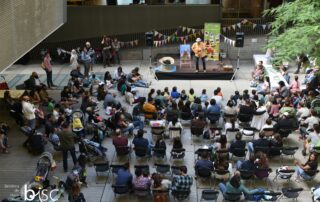
We are pleased to inform you that the first face-to-face meeting of BiSC families was a complete success! A total of 134 families (almost 500 people between adults and children) came to the Barcelona Biomedical Research Park last Saturday, October 1, to celebrate all the achievements of the first years of the BiSC Project.

Two years ago we organized a first meeting of BiSC families to create a space for dialogue, but the context of the pandemic forced us to do it in a virtual format. For this reason, after these last complicated years in which families have shown their resilience and their commitment to research, we were very excited to be able to hold the first meeting in person.

We were lucky that it was a fantastic day to enjoy the outdoors, and the Fest Commission, formed by Neus Rosell, Cecilia Persavento and Muriel […]

2022-11-03T12:18:57+00:0020/10/2022|Participants|
Go to Top