The first eye-tracker study on children’s cognitive development has been completed

The first eye-tracker study on children’s cognitive development has been completed

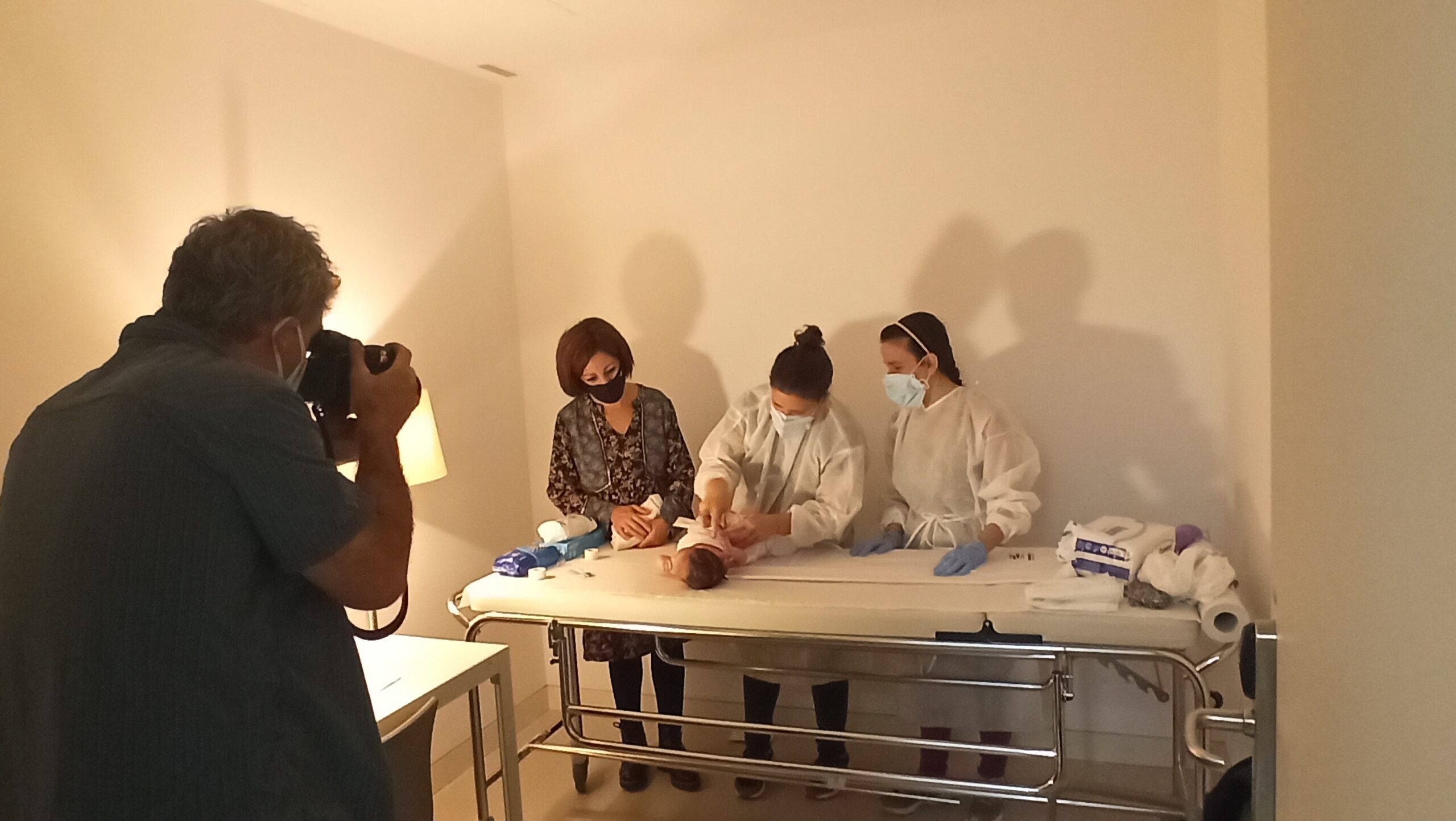
185 families have participated in our eye-tracking studies! Now we continue with the next stage of the project, the analysis of the data obtained in the two tests of cognitive development at 6 months.

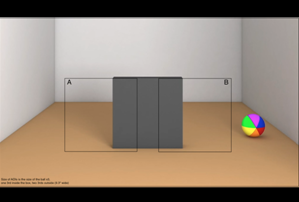
We have explored two skills that reflect the state of babies’ cognitive development; visual recognition memory and object permanence perception.

In the study of visual recognition memory, we first present a pair of identical stimuli (we use faces or geometric drawings) and, after a few seconds, we present a change in one of the images. This task allows us to extract basic individual measures of eye scanning, such as average looking time or speed of changes, and on the other hand, it allows us to calculate the percentage of time spent looking at the new stimulus, which reflects the extent to which infants have memorized the first […]
2022-06-30T14:09:28+00:0020/06/2022|Science|

The mask, has come to stay?

The mask, has come to stay?

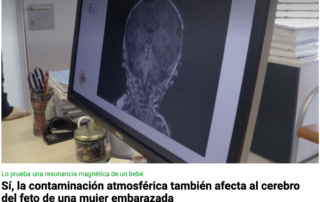
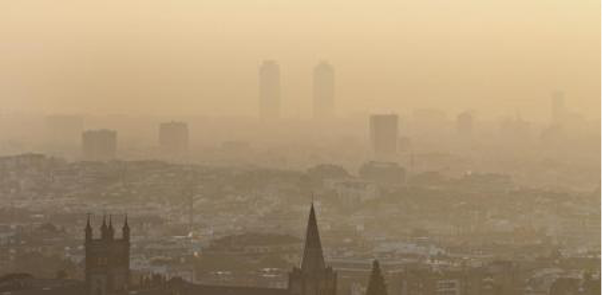
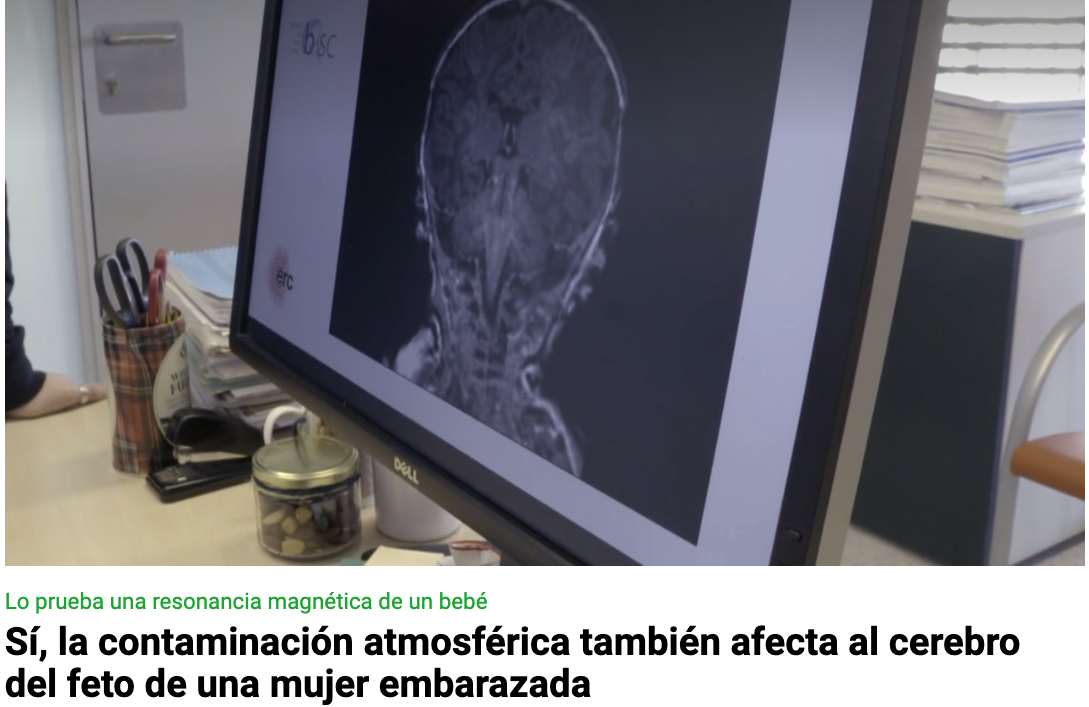
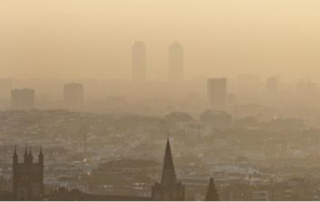
Air pollution is an invisible enemy, but the cause of 1 in 5 deaths worldwide (according to a report published in 2018 by Environmental Research). However, not all exposures, harmful particles, and risks are the same. The most harmful and dangerous is PM2.5, which are particles so small (less than 2.5 microns) that they can penetrate most of the body’s tissues.

Depending on the area of ​​the world, there is a greater or lesser concentration of these. For example, Hotan, in China, leads the list, according to the air quality ranking prepared by IQAir. If we focus on Europe, this study put the Polish city, Orzesze, in the lead, followed by Sarajevo, Valjevo in Serbia, and other cities in Bosnia and Herzegovina. We must move to position number 15 to find a Spanish City, Las Palmas de Gran […]

2022-03-14T08:41:28+00:0007/03/2022|Science|

New publication on tobacco waste in children

New publication on tobacco waste in children

The results of a study conducted by the University of San Diego and the University of Cincinnati in the United States on the presence of nicotine residues in the hands of boys and girls were published on February 7. The article, published in the journal JAMA Network Open (1), shows that both children living in exposed and non-smoking environments have nicotine residues on their hands.

The so-called “thirdhand smoke” or “tobacco dust” is the chemical residue that adheres to surfaces as a result of smoking tobacco; be it furniture, walls, clothes, etc. People are exposed to second-hand smoke by touching contaminated surfaces if they have not been properly cleaned.

The study, conducted in 2020 and 2021, looked at nicotine levels in the hands of 504 children under the age of 12 through a cotton swab by the fingers […]

2022-03-01T10:22:56+00:0018/02/2022|Science|

Introducing BiSC at the INMA 2021 Conference

Introducing BiSC at the INMA 2021 Conference

On November 23 and 24, the 17th Scientific Conference of the INMA Project was held in San Sebastian. INMA (Childhood and Environment) is a research project similar to BiSC that began in 2004 collecting data from different cohorts in Spain (Sabadell, Valencia, Gipuzkoa, Ribera d’Ebre, Granada, Menorca, and Asturias). The study aims to describe and evaluate the impact of exposure during pregnancy and the postnatal period of different environmental pollutants on the growth, health, and development of children.  

As we do in the BiSC project, follow-up was done during the gestation of the volunteers who wanted to sign up for the study and after the birth of their babies. Some of these children are now teenagers and still participate by providing data to INMA (for more information, visit their website: (https://www.proyectoinma.org/ca/).

Every year there […]

2022-01-11T09:53:38+00:0020/12/2021|Science|

We begin sequencing the microRNAs from the placenta samples from the BiSC project!

We begin sequencing the microRNAs from the placenta samples from the BiSC project!

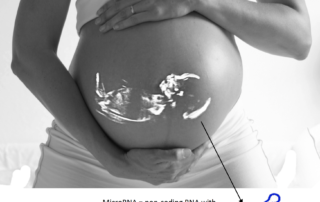
As part of the BiSC project, placenta samples have been collected on the day of birth. A total of more than 600 mothers’ placenta samples were collected!

Some of the main objectives of the collection of this type of sample are 1) to be able to characterize the molecular profiles of this tissue, 2) to study whether environmental factors such as exposure to air pollution during pregnancy have been able to alter these profiles, and 3) explore whether these alterations can affect the health of the newborn and later the child. To study these molecular profiles, we need to extract RNA and DNA from them. So far in the lab, we have been able to isolate the RNA and […]

2021-11-26T10:06:27+00:0025/10/2021|Evolution of the project, Science|

The chemical exposome in BiSC

The chemical exposome in BiSC!

Exposome is defined as the set of environmental exposures to which an individual is exposed from conception to the end of life. The exposure is therefore complex and dynamic as it changes over time. One dimension of this exposome is the chemical compounds, to which we are exposed on a daily basis. More than 140,000 new commercial chemicals have been synthesized since 1950, and only a small portion of them have been subjected to rigorous safety or toxicity testing. Bio-monitoring of chemical compounds, the study of their determinants and their health consequences, is difficult. New, high-capacity, far-reaching chemical methods, however, have marked a breakthrough that has revolutionized this type of study.

At BiSC we aim to measure the chemical exposome through the funding of different projects: “Advancing Tools […]

2021-06-21T08:58:02+00:0011/06/2021|Evolution of the project, Science|

A new report about air pollution!

The appearance of the BiSC project in the National Geographic!

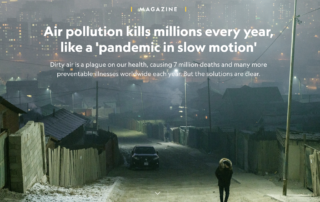
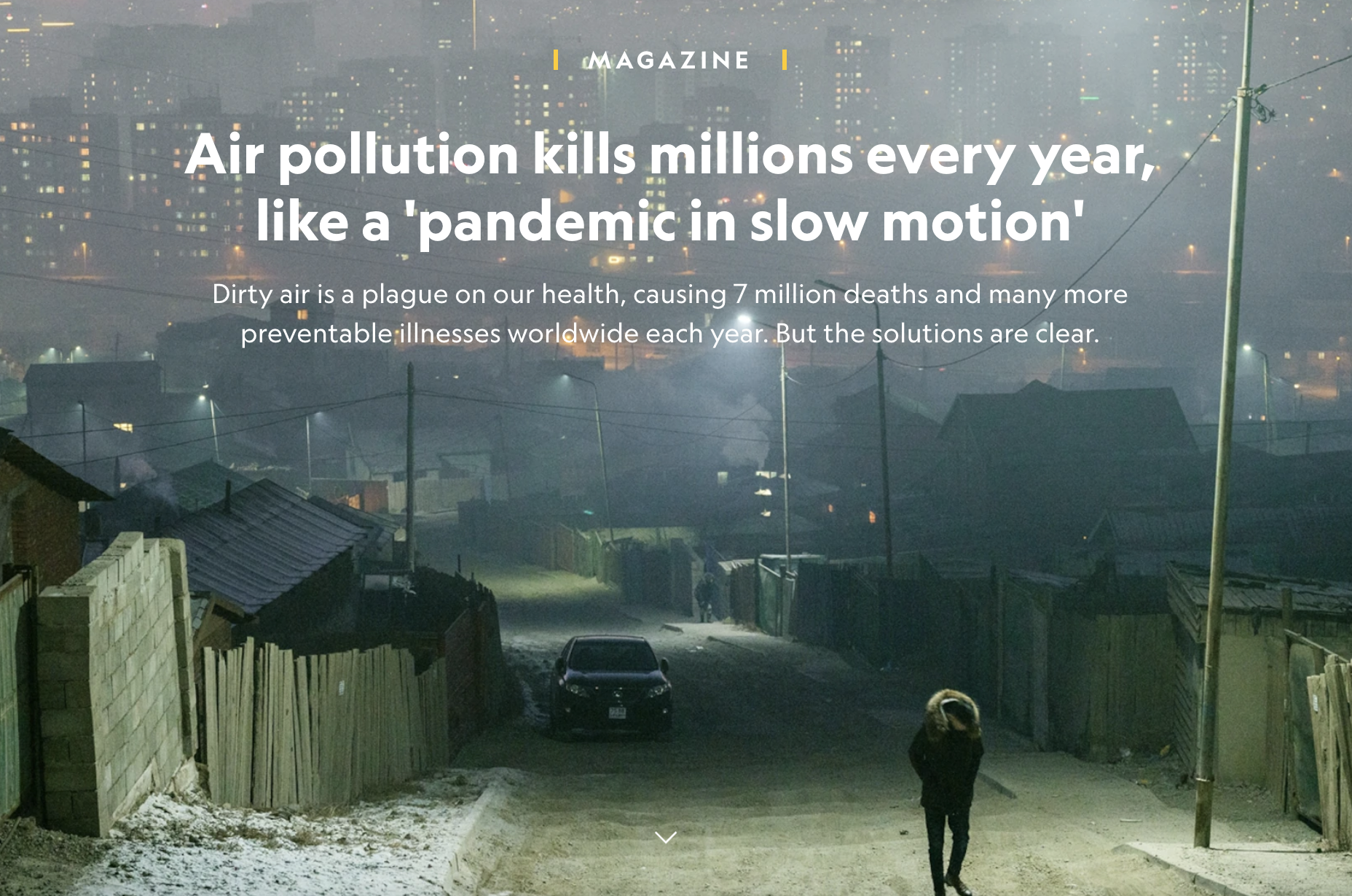
A few months ago we published that the BiSC project was visited by a photographer from an international magazine, and this week the photographs have been published in the National Geographic magazine accompanying a report on the importance of air pollution.

Throughout the report, the impact of air pollution on human health is extensively explained and we are invited to take a trip to different parts of the world teaching various scenarios where air pollution is very present. We can find spectacular images of working conditions in many parts of the world, as well as personal experiences of communities in which air pollution contributes to a high percentage of illness and death.

In recent decades several studies […]

2021-03-22T09:57:13+00:0018/03/2021|Evolution of the project, Science|

BiSc in the media!

BiSC in the media!

It has already been several times that BiSC has appeared in the media (radio, press, and television), both nationally and internationally, and that we are still in the recruitment phase and we have not yet been able to start exploiting results!

It is very important for BiSC and for all scientific projects, to promote and disseminate all new knowledge, to allow the scientific world and the general population to know the new research, and to appreciate, compare, question, and interpret the results. The media are essential for the transmission of scientific knowledge to the public and for shaping a scientific culture in society.

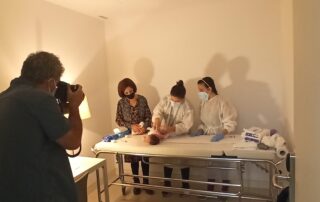
A few days ago, we received a visit from a photographer from a well-known international magazine (we can’t name it until the […]

2020-12-06T11:15:37+00:0030/11/2020|Science|

The BiSC project appears in the first program of the documentary series ‘Natural’!

The BiSC project appears in the first program of the documentary series ‘Natural’!

The BiSC project was invited to participate in the first program of the documentary series ‘Natural’ that is broadcast weekly on “La Sexta”.

The program used the decline in the number of sparrows in cities as a leitmotif of a program that highlighted the negative effects of air pollution, noise, electromagnetic radiation and lack of green space (including others) in the health of this species. Several of these factors are also being studied in the BiSC project to assess how they affect the neurodevelopment of the fetus and children!

In fact, BiSC was one of the studies used to exemplify how the effects of exposure to air pollution on people’s health are studied (link to the news).

The journalists accompanied us during a visit to the house of a volunteer, Mònica Selva. One of the BiSC technicians, […]

2020-10-26T08:01:19+00:0021/10/2020|Science|

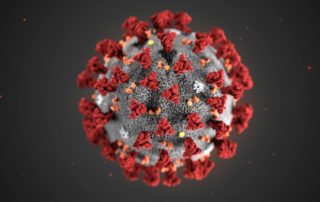
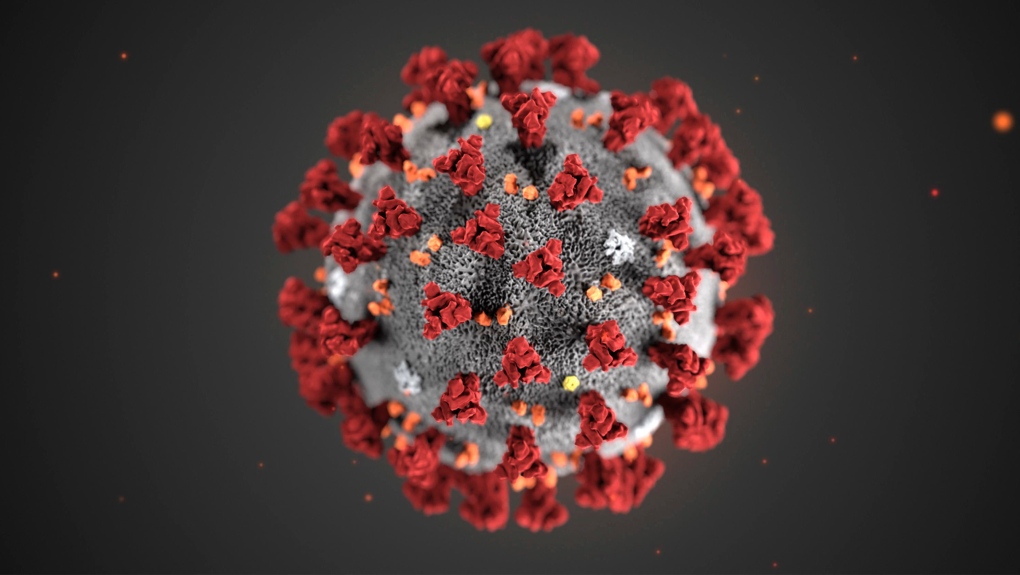
Information for Pregnant and Families – Coronavirus (SARS-CoV-2)

Information for Pregnant and Families – Coronavirus (SARS-CoV-2)

Jordi Sunyer, principal investigator of the BiSC project, shared some thoughts and / or recommendations addressed to the entire population:

1. There is reason to be optimistic. Every day we have new data and evidence of how to overcome it.

2. Create a window for information (30 ‘in the morning and 30’ in the rest) and avoid opinions and speculation. The rest of the time, devote yourself to activities that bring you pleasure and that you can never do.

3. Share distress and symptoms with friends.

4. Maintain a daily routine and, if you can, do […]

2020-03-21T10:45:52+00:0018/03/2020|Science|
Go to Top