A talk about BiSC to BREATHE students!

When two projects meet years later, BiSC and BREATHE!

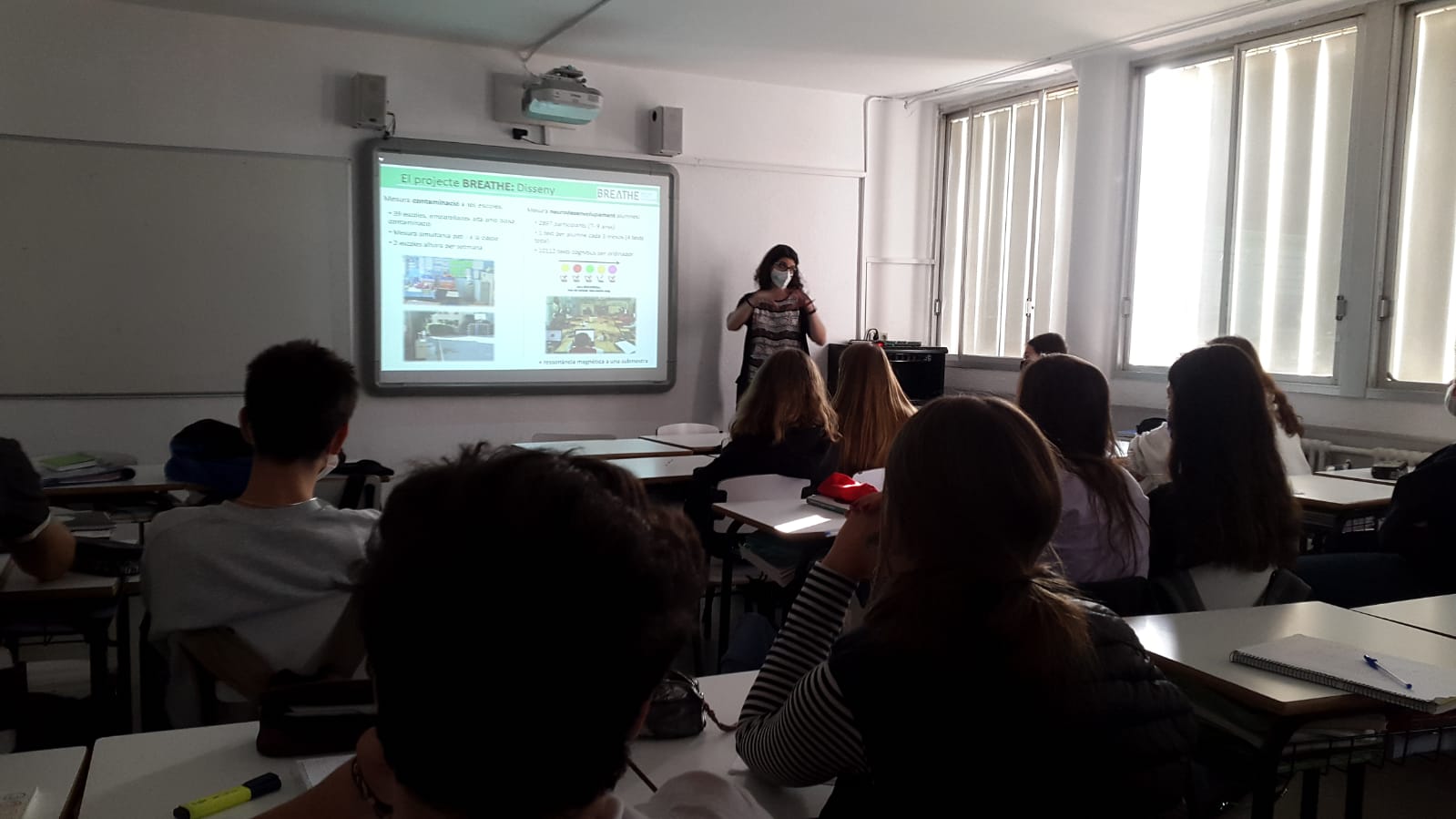
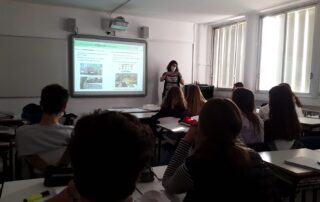
Today, Friday 22 October 2021, Ioar Rivas, a researcher in the BiSC project, gave a talk on the project to second-year high school students at the Sant Gregori School in Barcelona.

The talk has been very enriching, and some very interesting questions and topics have come up!

The most curious thing is that students in this class participated between 2011-2013 in the BREATHE project, which looked at the impact of air pollution on children’s cognitive development, and this year its center is one of the spaces in which the BISCAPE campaign has placed several devices to measure pollution.

2021-10-25T11:51:49+00:0022/10/2021|Evolution of the project|

Placenta samples are ready!

Placenta samples are ready!

Did you know that the placenta is a completely temporary organ, which is formed from scratch during implantation, and is completely expelled when giving birth?

In the BiSC project, we know that the placenta is a very special tissue, which is why we want to study it in depth!

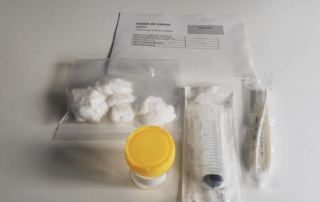
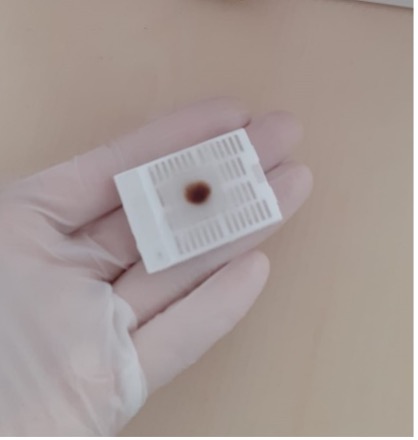
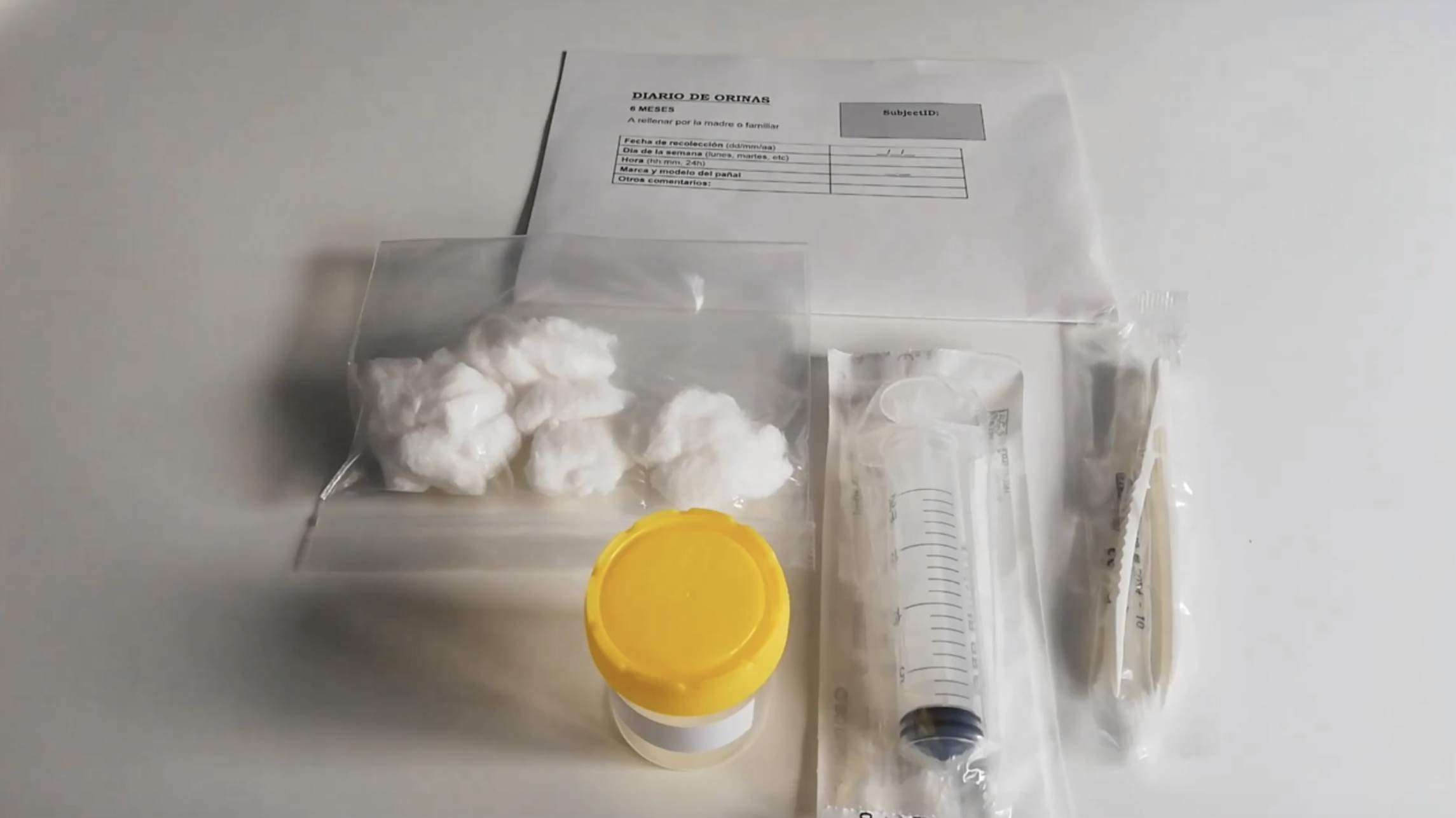
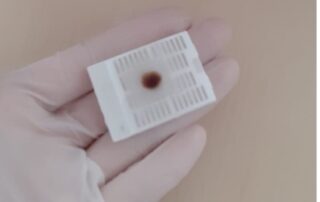
As you know, during all months of monitoring the BiSC project, teams from partner hospitals have been collecting placenta samples after participants gave birth. From each placenta, multiple fragments have been collected, with the aim of studying this valuable tissue from several points of view: we will study the gene expression of the cells that make up the placenta, as well as the […]

2021-10-22T11:07:59+00:0008/10/2021|Evolution of the project|

The visit of 18 months, a very complete visit !!

The visit of 18 months, a very complete visit !!

The BiSC Project has already visited more than 200 of the children who have reached the age of 18 months. This visit is very complete as it collects a whole set of data including different perspectives on children’s development as well as some of the variables involved. Around the age of 18 months of their children, the volunteers receive a call which opens the possibility of collecting the following data:

• General questionnaire: this is an online questionnaire to be answered, where the volunteers report on the food, sleep and health of their children, as well as the characteristics of the usual homes and other information that helps us understand the habits of the children. children of the project.

2021-10-11T07:13:03+00:0004/10/2021|Evolution of the project|

We start new noise measurements at residential addresses!

We start new noise measurements at residential addresses!

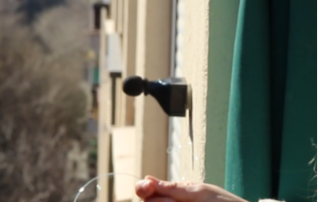
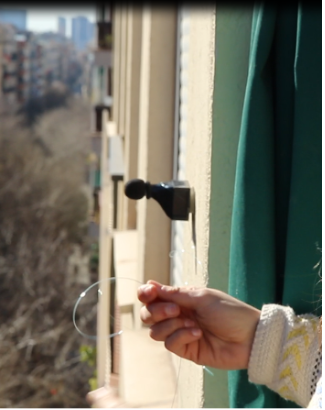
In order to recover prenatal information that due to confinement we were not able to obtain, we will begin to make noise measurements at the homes of volunteer families during the 6-month visit of the baby where we will install a computer called “sound level meter”.

We will also repeat measurements in some homes to see if the noise has changed between the third trimester and 6 months of the baby. Outdoor sound pressure levels will be recorded by placing them on the most exposed facade of the participant’s home for one week.

Let’s get started!

The text has […]

2021-10-04T14:40:05+00:0021/09/2021|Evolution of the project|

Let’s go back with the batteries recharged!

Let’s go back with the batteries recharged!

After these summer months, holidays and disconnection, the BiSC team is back “charged” with more energy than ever.

We are about to reach the end of one of the most important stages of the study: the prenatal stage. This past August we made the last visits of 32 weeks of pregnancy and in the coming weeks, we will reach all the births that make up the BISC family. It has been a stage full of emotions, challenges, and effort on the part of the BiSC team and on the part of all the families that have made this project possible. That is why we will never tire of thanking you!

2021-09-21T15:50:04+00:0007/09/2021|Evolution of the project|

We wish you a good summer from the entire BiSC team !

The BiSC team wishes you a happy summer and a nice holiday!

The last text before reopening the news section in September is a reflection that Maria Torres, predoctoral researcher for the BiSC project, wanted to share with all of you.

Summer is coming again and with it, a well-deserved holiday for everyone. This year, it has continued to be weird and unusual.

To be able to deal with the current situation in which we find ourselves, from time to time, I like to remember the meaning of two words that our language has given us: resilience and hope. Resilience is the human ability to overcome and regain stability in adverse situations and learn to overcome them, in a more psychological environment, not only through […]

2021-09-07T13:35:10+00:0020/07/2021|Evolution of the project|

BISCAPE, the pollution measurement campaign of the BiSC project!

BISCAPE, the pollution measurement campaign of the BiSC project!

From the BiSC Project we have just launched the campaign called BISCAPE (Barcelona Life Cohort Study Air Pollution Exposure) to measure the levels of air pollution in various parts of the city of Barcelona and the metropolitan area simultaneously.

Air pollution is a complex mixture of hundreds of pollutants from various sources (vehicles, industry, etc.). Numerous research studies have focused on the health effects of particulate matter (PM) in the last 30 years. PM is especially relevant because it is one of the components of pollution that most easily penetrates the lungs into the body. Therefore, with this campaign we want to measure, in addition to polluting gases (such as NO2, a well-known gas with irritating effects), particulate matter of different sizes […]

2021-07-12T15:39:55+00:0021/06/2021|Evolution of the project|

The chemical exposome in BiSC

The chemical exposome in BiSC!

Exposome is defined as the set of environmental exposures to which an individual is exposed from conception to the end of life. The exposure is therefore complex and dynamic as it changes over time. One dimension of this exposome is the chemical compounds, to which we are exposed on a daily basis. More than 140,000 new commercial chemicals have been synthesized since 1950, and only a small portion of them have been subjected to rigorous safety or toxicity testing. Bio-monitoring of chemical compounds, the study of their determinants and their health consequences, is difficult. New, high-capacity, far-reaching chemical methods, however, have marked a breakthrough that has revolutionized this type of study.

At BiSC we aim to measure the chemical exposome through the funding of different projects: “Advancing Tools […]

2021-06-21T08:58:02+00:0011/06/2021|Evolution of the project, Science|

There are already more than 500 filters analyzed in the BiSC campaign!

There are already more than 500 filters analyzed in the BiSC campaign!

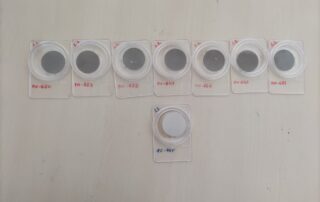
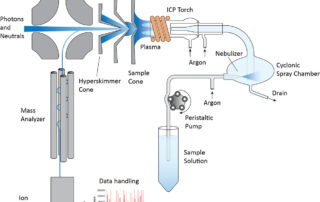
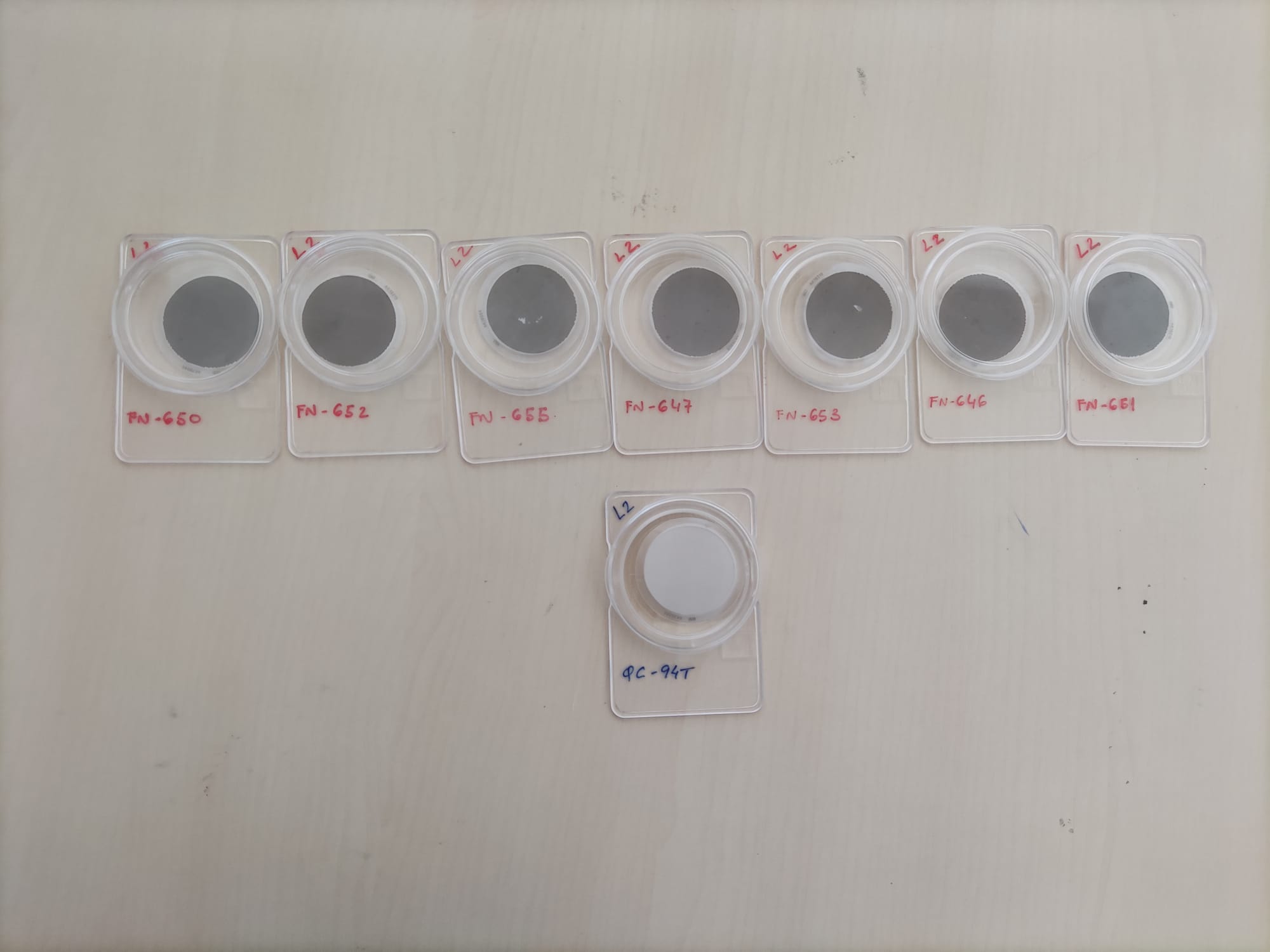
As you know, part of the environmental visit to the participants was to carry a backpack with various equipment for two days to measure their personal exposure to air pollution. One such device is a pump that passes air through a filter. This filter collects particles less than 2.5 µm called PM2.5 that are suspended in the air we breathe.

How are filters analyzed in the laboratory?

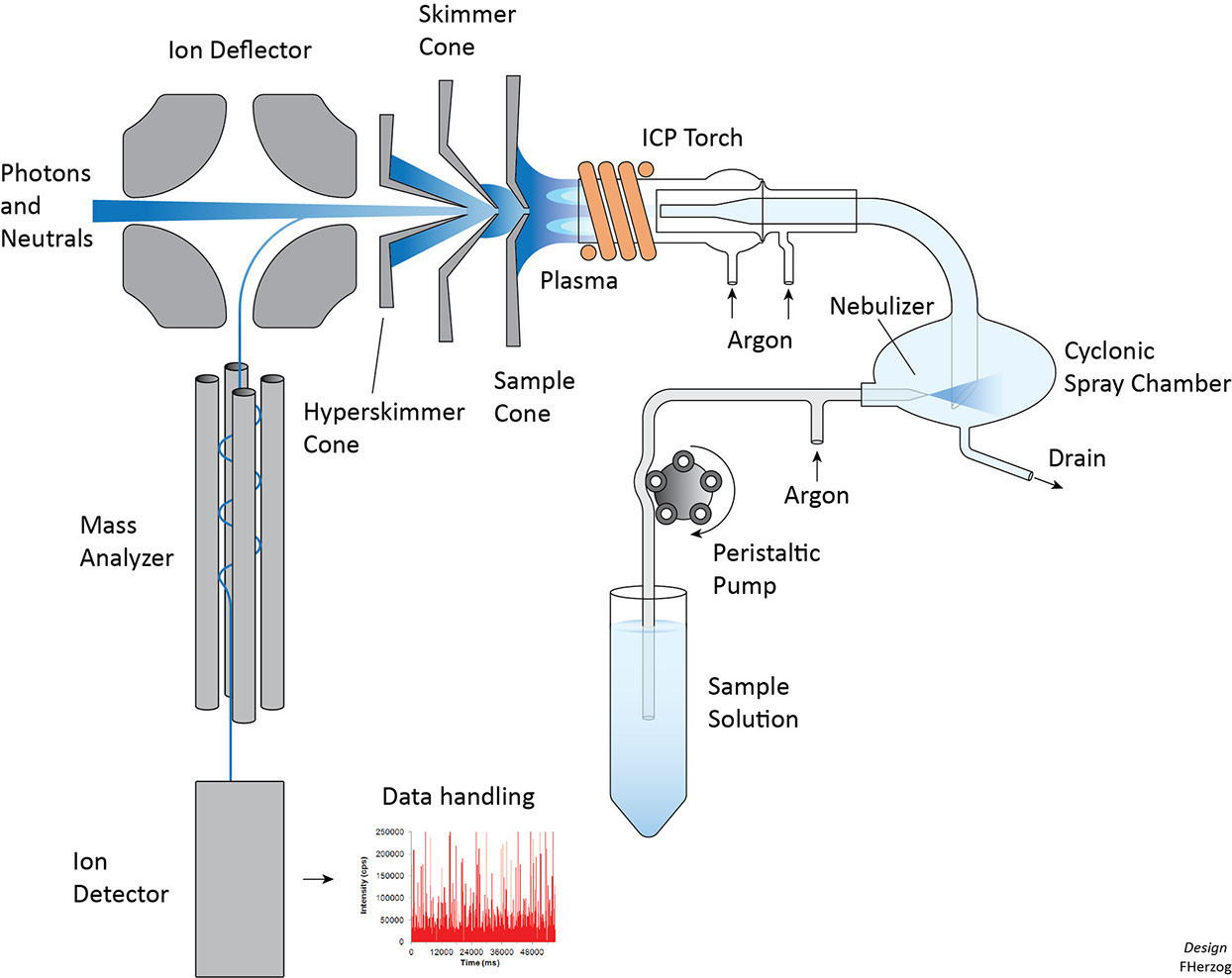
Once the filters arrive in the laboratory the filters are digested. This technique involves attacking the filter with different acids in order to release the particulate matter (PM) from the filter and dissolve it to obtain an […]

2021-05-25T07:05:17+00:0017/05/2021|Evolution of the project|

Cognitive skills study at 6 months of age!

There are already 65 families that have participated in the eye-tracking study!

The BiSC project, in collaboration with the Laboratory for Attention, Perception, and Acquisition of Language (APAL) of the University of Barcelona, ​​has launched two studies that explore cognitive abilities in babies, using the technique of eye movement tracking, also known as “eye-tracking”.

This technique allows you to continuously record the baby’s gaze, what he is looking at and what elements catch his attention. This allows us to objectively and quantifiably measure your visual attention and your abilities to process visual stimuli early in their development.

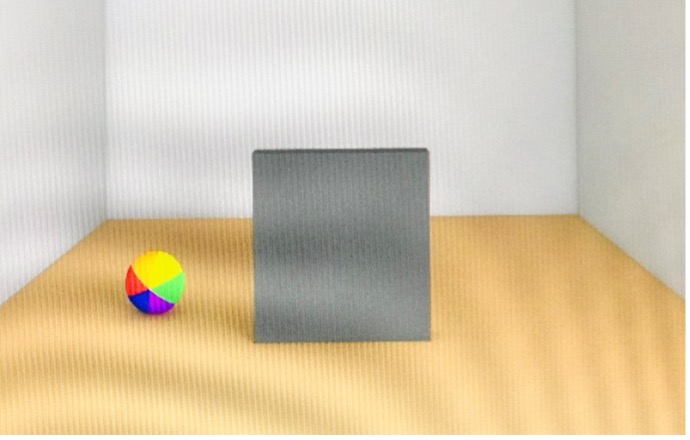
Among the cognitive skills, we explore is visual recognition memory. To do this, we first present a pair of […]

2021-05-17T14:55:02+00:0003/05/2021|Evolution of the project|
Go to Top