Story of a BiSC nurse in confinement

Story of a BiSC nurse in confinement

For a little over a month, due to a situation that we cannot control, the country was completely paralyzed, and we had to adapt to teleworking overnight. Among all of them, all those people who with so much enthusiasm and effort make the project happen, so we had to invent ourselves to adapt to this new situation and the needs of the participants. For this, we continued with telephone contact with the volunteers of the BiSC project and the support of our professionals was intensified in order to reach those participants who, in the current situation, might have any queries and it is not easy for them to access traditional channels, as the health center.

Through this initiative many women have been able to receive a response, being very grateful, to our delight.

We are in a complex situation, where the majority of people, especially […]
2020-05-04T09:08:04+00:0021/04/2020|Evolution of the project|

New study to evaluate the emotional state of BiSC volunteers

New study to evaluate the emotional state of BiSC volunteers

We are in a moment of exceptionality, affected by a viral pandemic which is having significant consequences for the number and severity of people affected worldwide. Another consequence of the pandemic and the situation in Spain is the declaration of the state of alarm and the restriction of movement of the population, which has been confined to cut off the avalanche of COVID-19 infections. This isolation over a relatively long period of time, without direct contact with other people and unable to leave a relatively small space, can emotionally affect the entire population.

For this reason, we have started a new questionnaire-based study to evaluate the emotional state of BiSC volunteers. It is a very important study, which will allow […]

2020-04-21T09:20:37+00:0002/04/2020|Evolution of the project|

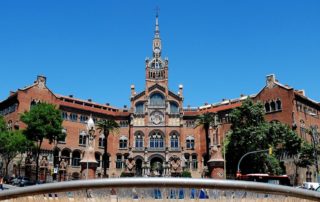
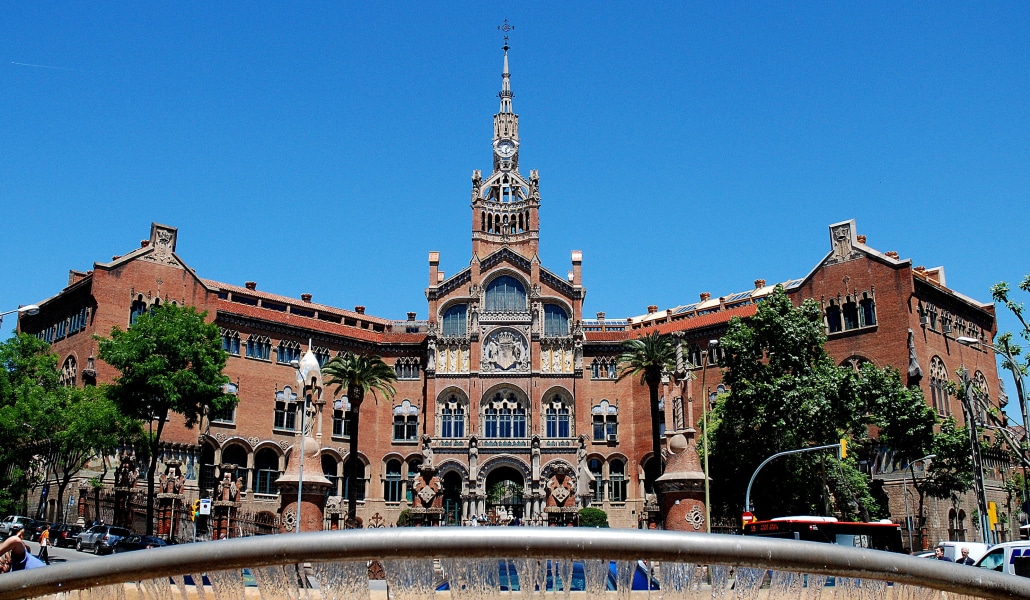
There are already 300 participants enrolled in the “Hospital de la Santa Creu i Sant Pau”

There are already 300 pregnant women who collaborate in the BiSC study at the “Hospital de la Santa Creu i Sant Pau”!

More and more couples are interested in studying air pollution and their repercussions on babies, already from early stages of life. That is why we face a growing demand for information on the BiSC project, by outpatients, hospitals or even schools.

Last week volunteer number 300 was included in the BiSC project (Barcelona Life Study Cohort) at the Hospital de la Santa Creu and Sant Pau. There are also other hospitals that participate, such as the Hospital Sant Joan de Déu and the Maternity Clinic Hospital, making a total of almost 600 pregnant women who are currently collaborating in the study.

Are you pregnant and want to be […]

2020-03-18T13:05:45+00:0016/03/2020|Evolution of the project|

The visit at 6 months

The postnatal visit at 6 months have already started!!

The 6-month postnatal visit is a long-awaited visit by families as it allows them to have an enriching experience with their children between the ages of 6 and 7 months.

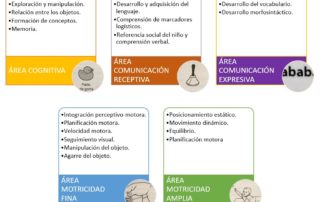
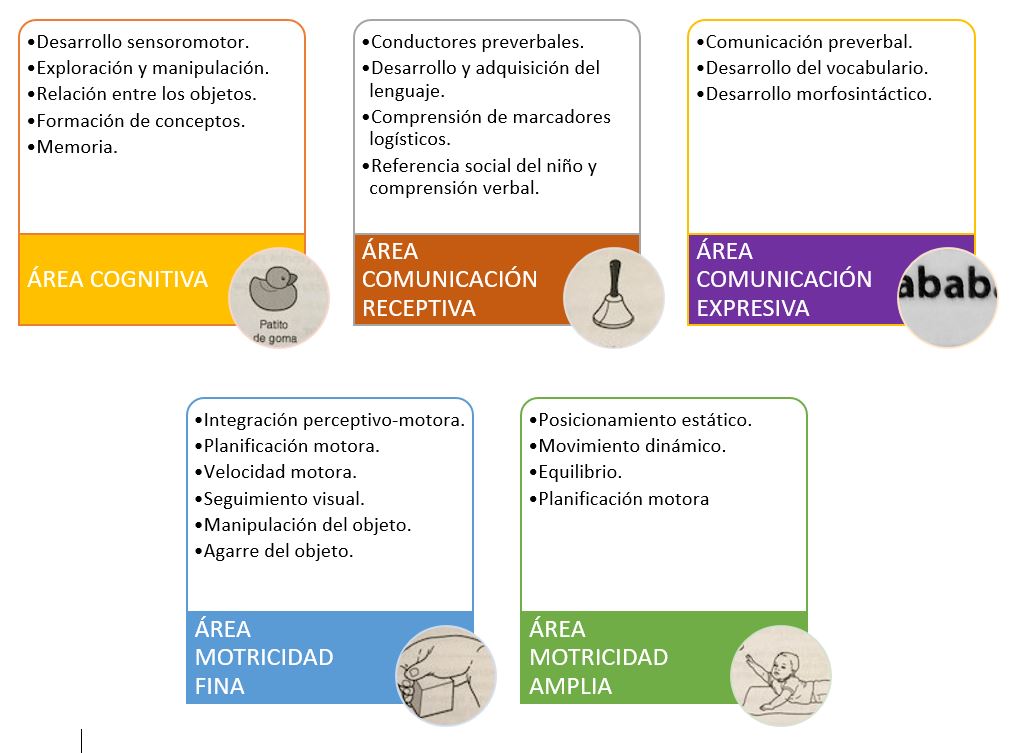
This is a visit where the child’s neurodevelopmental assessment is performed through a specific test, the Developmental Bayley-III Scales (Bayley, 2006), which collects information through careful observation of children’s play and interaction with toys, examiners and the family. This is a test used in clinical psychology to evaluate the development of infants between the ages of 1 and 42 months, detect potential developmental deficiencies, and identify strengths and weaknesses in different areas of development.

In the case of the BiSC Project, we work with the general population and the main purpose of the […]

2020-03-16T10:53:06+00:0003/03/2020|Evolution of the project|

BiSC Retreat 2020

The last Friday the retreat 2020 of BiSC was held on PRBB!

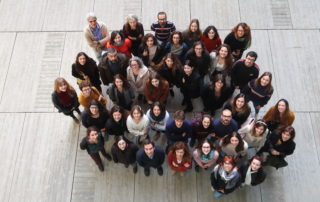
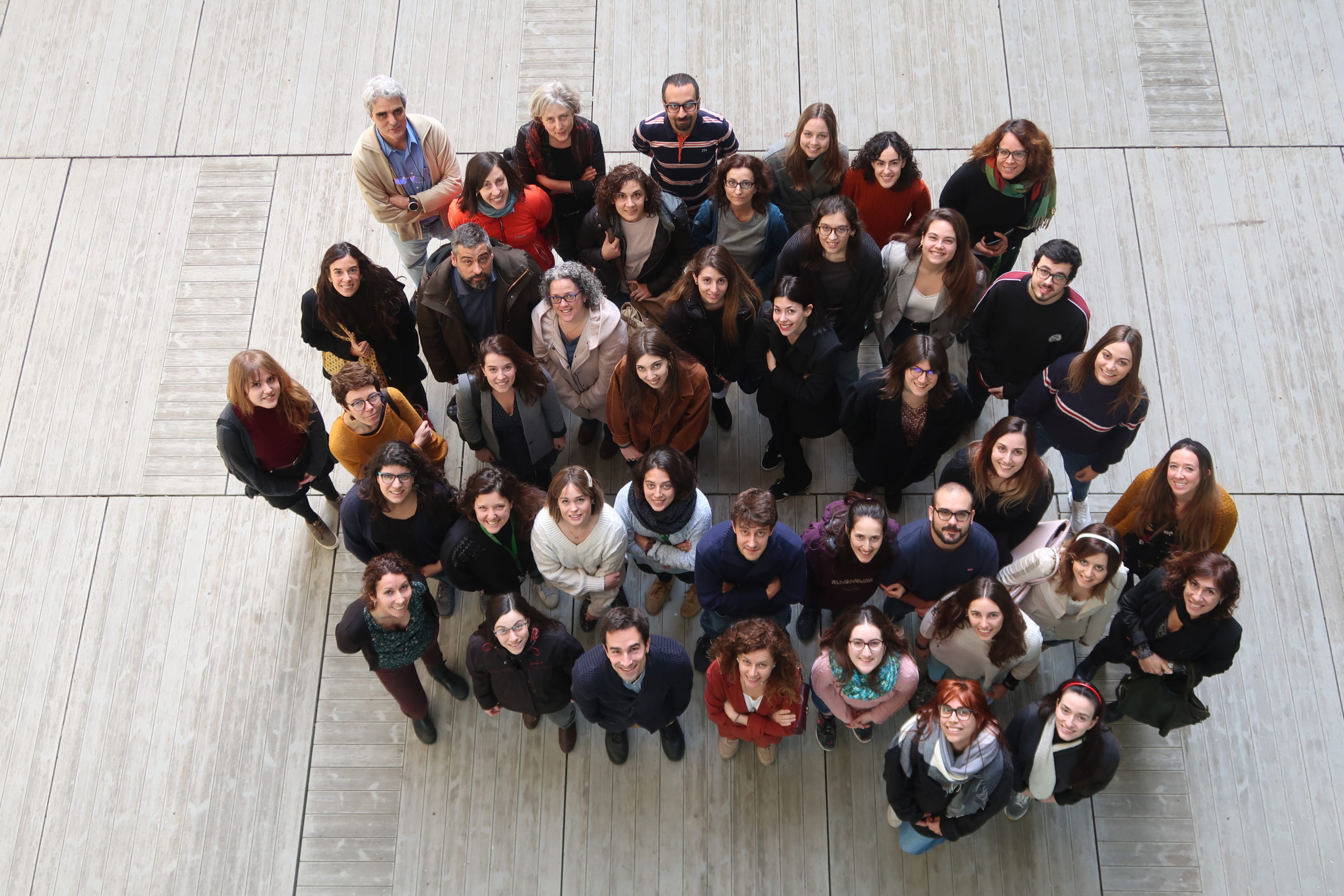
Last Friday, February 28, 2020, everyone involved in the BiSC project was able to meet and catch up on the evolution of the project.

We introduced new additions and all new features added to the project regarding exposure assessment, biological sample collection, or baby follow-up.

The morning started with a brief introduction to the project, followed by brief presentations on how we evaluate different environmental exposures, including air pollution, noise, or different chemical pollutants that can be measured by urine samples collected by the participants.

In the middle of the morning, we learned about the different biological samples that are collected, and some new features regarding the study of the placenta and the beginning of another section of the project that will evaluate the children’s immune system.

Finally, we got to know more accurately the […]

2020-03-09T08:52:26+00:0002/03/2020|Evolution of the project|

THE FIRST MAGNETIC RESONANCES OF THE BISC PROJECT

A few months ago we started performing the MRI’s of the project and we have already done 25!!!

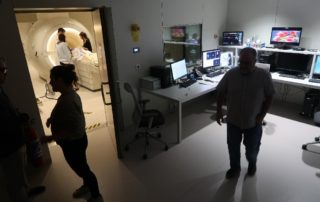
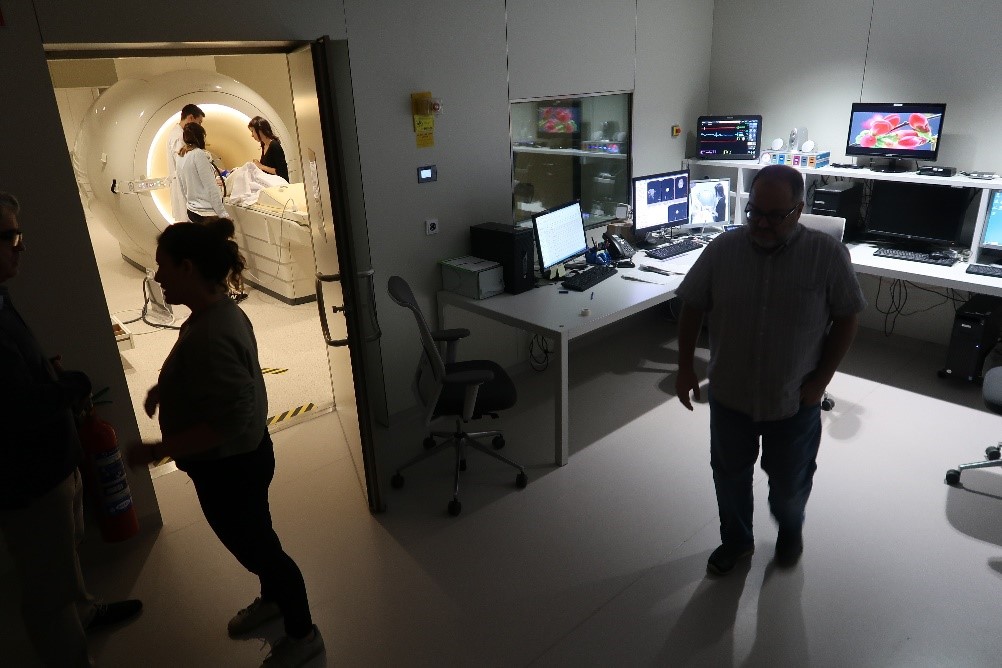
One of the main goals of the BiSC project is to evaluate the impact of environmental pollution on the cognitive and structural development of the baby’s brain. To do this, we need an MRI scan on a BiSC baby subgroup. This imaging test is completely safe, non-invasive, with no side effects (unlike X-rays, no exposure to ionizing radiation).

The MRI is performed at the Pasqual Maragall Foundation over the 27 days of life. The only contraindication to this is the presence of fever or any discomfort that prevents the little ones from being calm and sleeping while taking the pictures. Neither can be done if earrings have been placed recently since it is recommended not to remove them during […]

2020-03-02T11:45:51+00:0025/02/2020|Evolution of the project|

BiSC IS ALSO ASSESSING NOISE EXPOSURE

Assesing noise exposure in BiSC

At BiSC, in addition to exposure to air pollution during pregnancy, we also study exposure to noise, as together they are the main environmental pollutants in cities and those that most affect health in Europe. Noise is an unwanted sound, and traffic is its most common source.

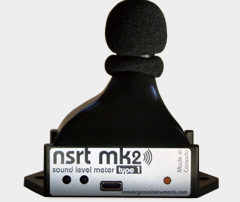
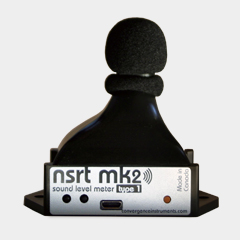
And how do we measure noise exposure? During the visit to the participants’ home during the first trimester of pregnancy, we installed a small sound level meter on one or two facades of the house. For a week, the sound level microphone records the noise level. This device only records the amount of noise, that is, the decibels.

Image of the installation of the sound level meter on the facade of the building.

Image of the sound level meter used:  NSRT Mk2® Type 1. […]
2020-02-25T13:53:27+00:0017/02/2020|Evolution of the project|

BiSC WILL ASSESS THE PRESENCE OF “BLACK CARBON” PARTICLES IN THE PLACENTA

Presence of polluting particles in placenta

“Black carbon” is a component present in the smoke of the motors of the vehicles that use hydrocarbons as fuel. These are very small particles (with a diameter of less than 2.5 micrometers) that are produced by incomplete combustion of fossil fuels and are suspended in the air we breathe, entering by air into our body.

Image of the exhaust pipe of a city vehicle.

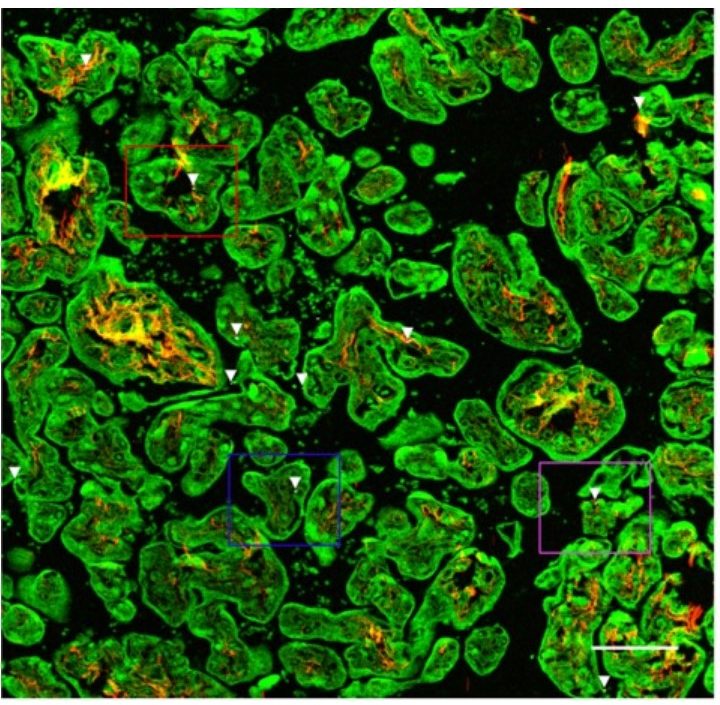
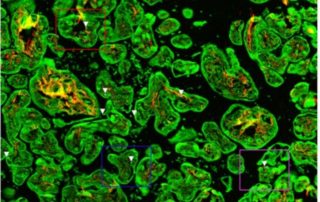
Recently, Dr. Tim Nawrot (from Hasselt University, Belgium), a health and environment specialist, showed the presence of black carbon particles in human placenta samples. It seems that these particles would enter the bloodstream through the capillaries of the lungs, and from there they would reach the placenta.

Optical microscopy (pulsatile laser post-illumination) image of a placental biopsy showing the presence of black carbon particles, denoted […]
2020-02-17T11:07:26+00:0010/02/2020|Evolution of the project, Science|

Processing and preservation of the samples in the laboratory

The biological samples of BiSC and its processing!

Blood, placenta, cord, saliva, urine, meconium, nails, hair… There are many biological samples that are collected throughout the study, but how are those samples processed and where are saved?

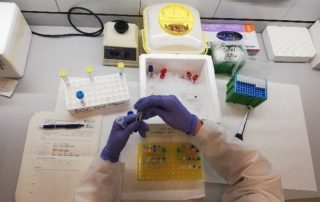
Samples collected at the hospital or at home, arrive at the laboratory where they are treated and stored specifically, depending on the type of biological material, the application of the sample or the expected storage time, among other aspects. Some examples include blood samples, urine samples, nails or hair samples.

In the case of blood, the collected tubes are placed in a centrifugal apparatus that, thanks to a rotary movement, allows the main components of the blood to be separated according to their density. With this apparatus it is possible to separate: plasma, serum, red blood cells, leukocytes and platelets. Once separated the different components are stored individually and frozen (-80 ° C), a type […]

2020-02-10T15:09:11+00:0003/02/2020|Evolution of the project|

COLLECTING MECONIUM SAMPLES IN BISC PROJECT

We keep collecting new biological samples!

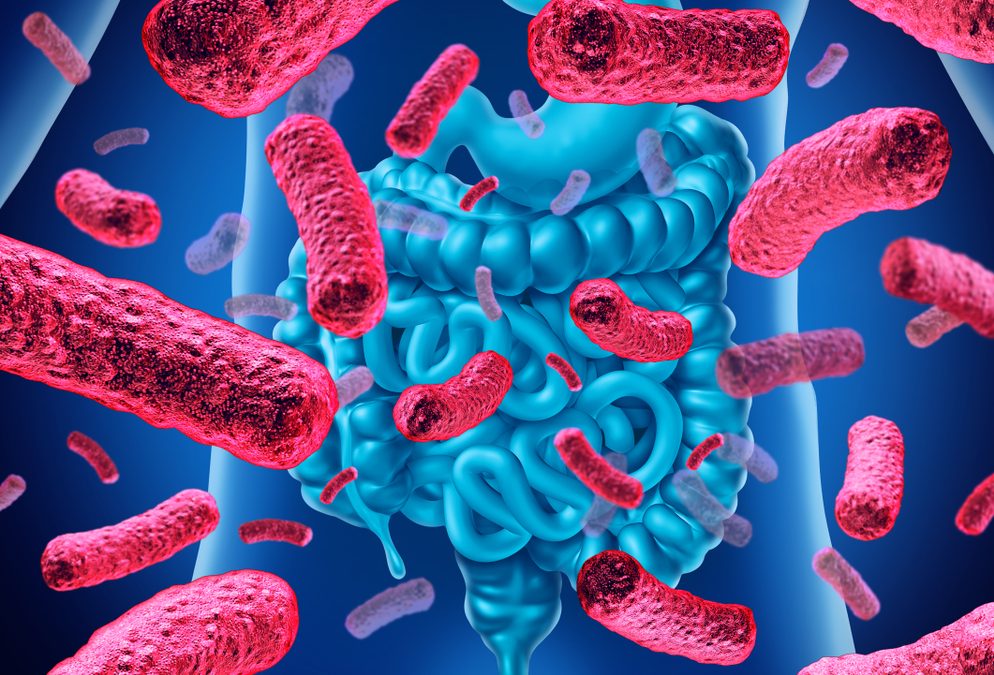
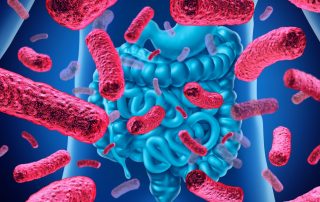
The whole set of bacteria, viruses, fungi and other microorganisms living in a particular habitat conform what is known as microbiota. We can find microbiota in our environment (in the leaf of a tree, in a volcanic stone, in the Arctic ice…), as well as in our organism (in the skin, in the intestine, in the mouth…).

Image obtained from: http://www.sci-news.com/biology/gut-microbiota-manipulate-our-minds-05956.html

In the last years a number of studies in animals and humans have identified the potential role that microbiota plays on the development and functioning of the immune system and the subsequent health impacts (e.g. asthma, diabetis, inflammatory bowel diseases or even neurological disorders). A number of factors have been found to be important determinants of microbiota composition in early life, including mode of delivery, antibiotics intake, breastfeeding, or household characteristics (e.g. presence of pets or […]

2020-02-03T10:18:25+00:0024/01/2020|Evolution of the project|
Go to Top